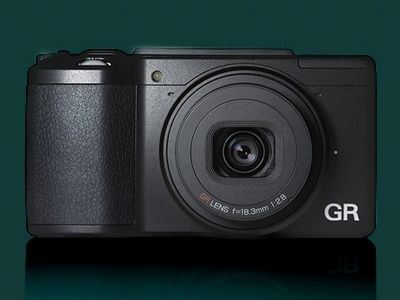
The Ricoh GRII (2015) is the earlier, and lesser known model, from Ricoh’s GR line of APS-C compact cameras. This is my honest 2026 take on the Ricoh GR II: five reasons I still love it, and five reasons it drives me absolutely mad.
A (very) brief history.
The Ricoh GR camera series is a big deal. Right now, the GR3 (GRIII) and the GR4 (GRIV) are two of the most sought after premium compact cameras on the market. With its large APS-C sensor squeezed into a compact body, the Ricoh GRIII (AKA the ‘plastic fantastic’) is highly regarded in the street photography world for being a powerful and high-quality camera that will fit in the pocket of your jeans.
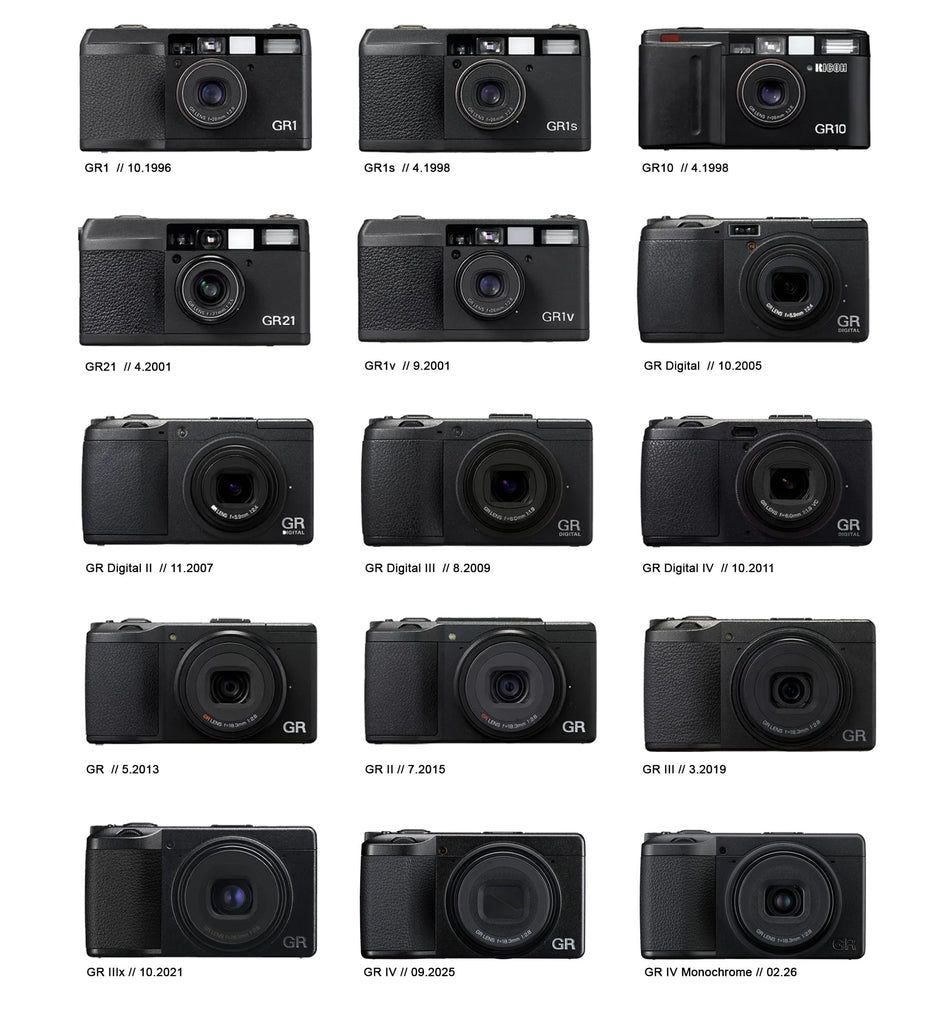
But what came before the GRiii/GRiv, and should it be still be considered in 2026? Going back in time, the GR series released the GRII in 2015, and the GR in 2013, (as well as confusingly also having a ‘GR Digital’ range 1-4 before that between 2005-2011 – however the ‘GR digital’ line did not feature APS-C sized sensors). Prior to the digital cameras, there was a line of excellent film GR cameras. At a glance, the whole GR series have the same signature ‘GR’ form factor.
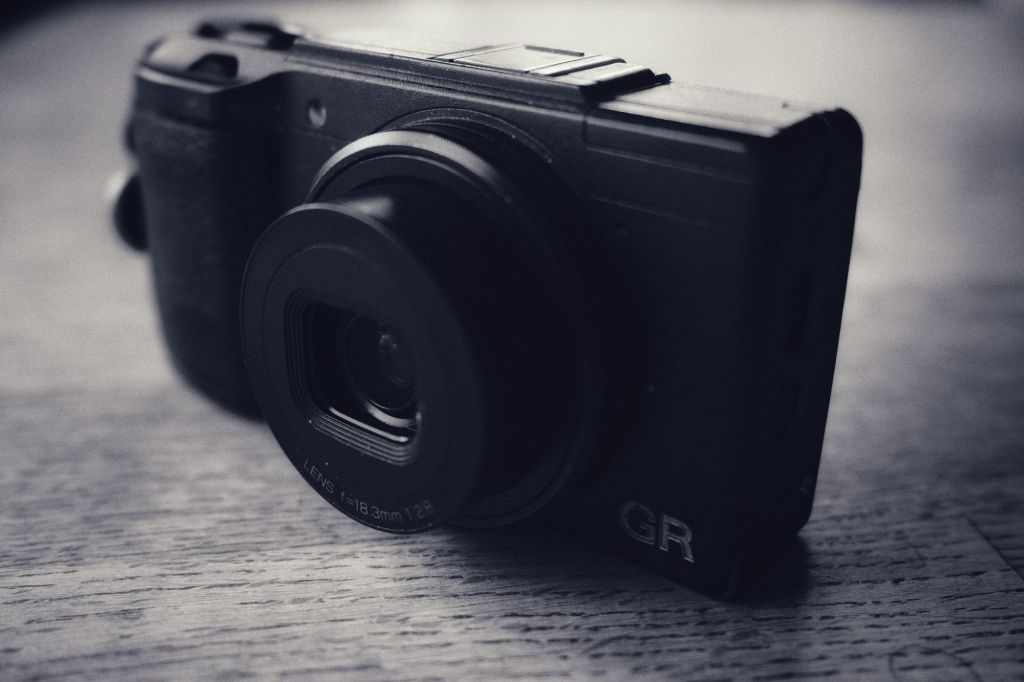
Enough of this (poor) history lesson. This post will focus on the mighty Ricoh GRII from 2015, which I have been carrying around for the last year or so. I really love this camera, but I also hate it at times. It is without doubt a very special camera with some magical features. It does however have some aspects which can be very frustrating.
Why did I buy the Ricoh GRII?
At most events (music, sports, conventions), venues will often allow you to bring along a small, fixed lens camera. (This is always at the descretion/mercy of the security staff on the day). For most people in 2026 this camera is almost always their phone and is never an issue. However, as I like to always carry a camera with me in life, I will foolishly attempt to squeeze a Fujifilm X100 series camera into any interesting events I might go to. 9 times out-of-10 there are no issues at all. BUT… when staff do object to my camera, it is a real pain in the bum. It means leaving the camera with the coats and bags, and paying for that privilege (whilst accepting all risk if it is lost/stolen/broken).
The last time this happened I decided I needed something different, something uber compact. It also needed to be more caperble than a phone (which is a tough ask these days). Enter the Ricoh GRII.
Ricoh GRII alternatives: other APS-C compact camera options.
When it comes to compact cameras with large sensors there really isn’t that much choice. There is the Fujifilm X100 range (too big), the GRiii/GRiv (too expensive), the Nikon Coolpix A (too rare), and the Fujifilm X70 (too expensive and too rare!) On paper the GRII was in the ‘just right’ category. In good condition the GRII is still not cheap. But, in ‘battered-but-working condition’ it was the cheap-enough to be the solution for me.
APS‑C Compact Camera Comparison (2026)
A quick look at how the Ricoh GR II stacks up against other pocket‑sized APS‑C cameras in 2026.
| Feature | Ricoh GR II | Ricoh GR III | Ricoh GR IIIx | Ricoh GR IV | Fujifilm X70 | Nikon Coolpix A |
|---|---|---|---|---|---|---|
| Release Year | 2015 | 2019 | 2021 | 2024 | 2016 | 2013 |
| Sensor | 16MP APS‑C | 24MP APS‑C | 24MP APS‑C | 24MP APS‑C (new engine) | 16MP APS‑C | 16MP APS‑C |
| Lens | 28mm f/2.8 | 28mm f/2.8 (new design) | 40mm f/2.8 | 28mm f/2.8 (improved) | 28mm f/2.8 | 28mm f/2.8 |
| Stabilisation | None | IBIS | IBIS | IBIS (improved) | None | None |
| Autofocus | Slow | Better | Better | Best in GR line | Slow | Slow |
| Screen | Fixed | Fixed | Fixed | Tilting | Tilting | Fixed |
| Pocketability | Excellent | Excellent | Excellent | Excellent | Very good | Very good |
| Battery Model | DB‑65 | DB‑110 | DB‑110 | DB‑110 | NP‑95 | EN‑EL20 |
| Battery Capacity | 1250 mAh | 1350 mAh | 1350 mAh | 1350 mAh | 1800 mAh | 1020–1100 mAh |
| Used Price (2026) | £350–£850 | £550–£750 | £650–£850 | £900–£1,100 | £600–£900 | £350–£500 |
Why the Ricoh GR II Still Matters in 2026
According to the tech content we are regularly fed online, we must have the latest version or we will be left behind. This simply isn’t true, and can be a real barrier to developing as a photographer. The GRII was released in 2015, which really isn’t that long ago. It is not a relic, it has wireless connectivity, it takes SD cards and it is 16mp. It’s Modern!
I’m a positive soul, so let’s start with the good stuff.
5 Good things about the Ricoh GRII
1. Pocketability That Beats Almost Everything
This is the GR II’s superpower. It disappears into a jeans pocket, yet delivers excellent image quality with it’s APS-C sensor. No other camera nails this balance quite as well. The design is almost identical to the GRIII (and the GRIV) which is hailed as the ultimate ‘everyday carry’ camera because of it’s portable nature. I take the GRII everywhere with me, which is it’s real strength. I don’t even notice it in my jacket pocket, so it’s ready in a matter of seconds if I need it without fumbling around in a camera bag.

2. Snap focus.
Snap focus is a feature on its own which is worth celebrating. It is also what makes the GR series very popular for street photography. . The GRII allows you to assign a predetermined distance into the settings (1.5m, 2m, 2.5m or infinity) , so that when you mash the shutter button quickly it grabs a shot at that set focus distance. This is wonderful for responding quickly to your surroundings, as well as being quite descrete. You still have the option to half press the shutter and to utilise autofocus. Snap focus will just be there as a bonus feature. I sometimes use snap focus when autofocus is struggling to work properly (which can be quite often).
3. One Handed Operation.
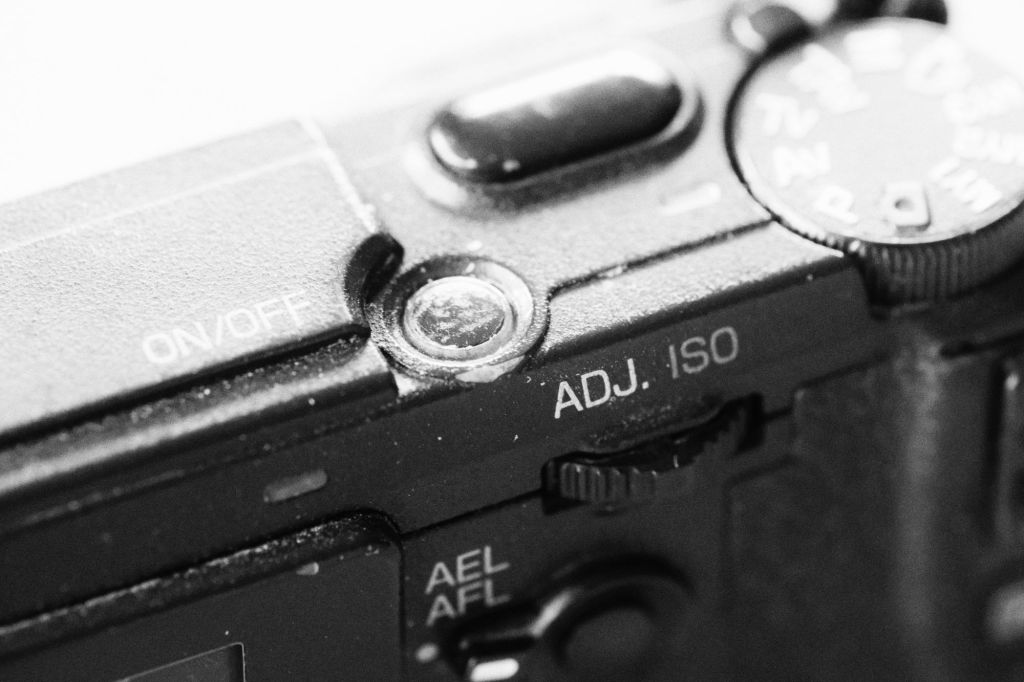
This camera has been very cleverly designed. It is one of the only cameras where all the features and functions can be accessed with one hand. With a bit of practice you can quickly learn how to master all the short cuts, function buttons and controls with one hand: Macro mode, ND filter, apperture, shutter speed, ISO, film simulation, digital zoom. It is beautifully organised.
4. Price: The Price-to-Performance Ratio.
On the used market, the GR II is often half the price of a GR III. The sharp lens and big sensor combine to produce outstanding image quality.

Depending on your exact needs, it delivers 90% of the experience for 50% of the cost.
For my specific needs I do not need to push my camera to it’s limits. 90% of my work is still life. I could possibly use some stabilisation on the odd occasion, but it is not a deal breaker, as I often have the freedom to take my time with the camera. I like a roughed up, older camera as it makes me braver when using it (without fear of causing price-altering damage). It also tends to make it less appealing to thieves.
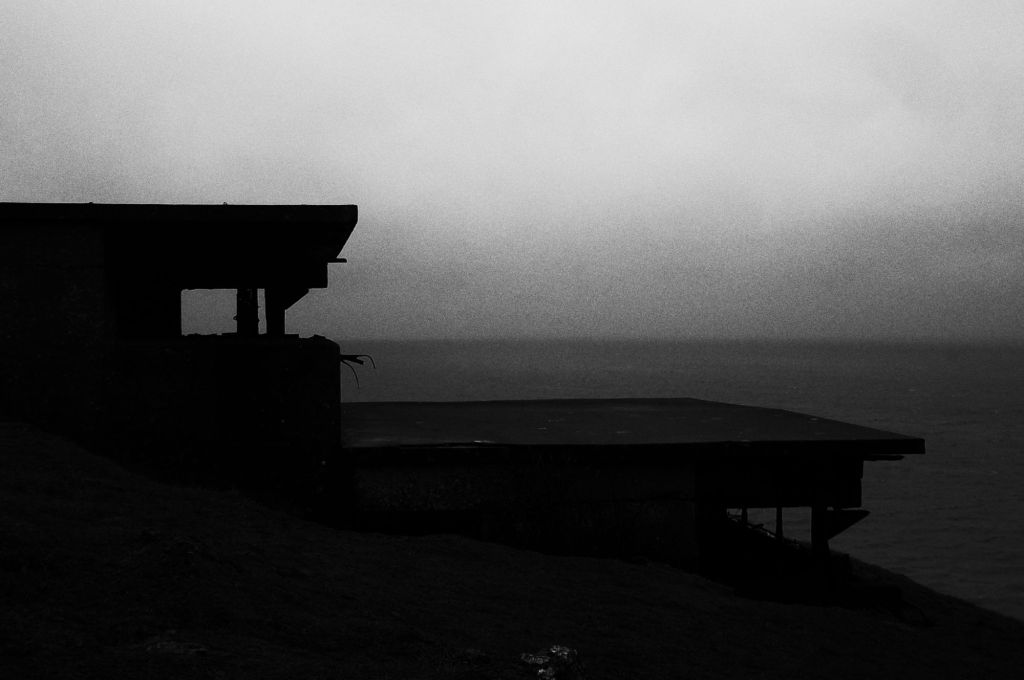
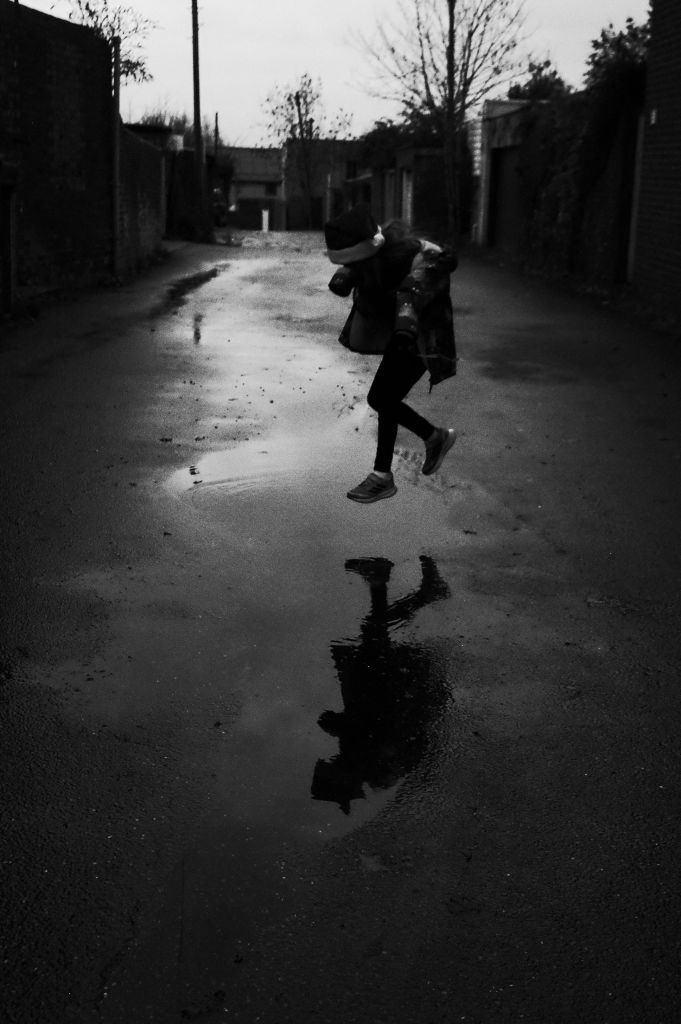
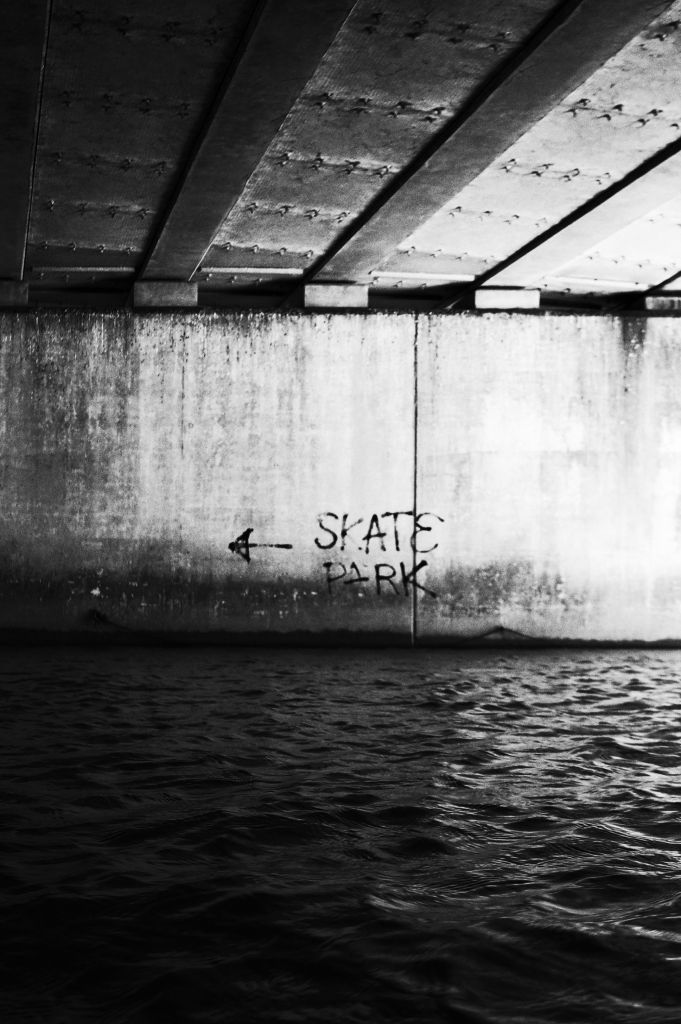
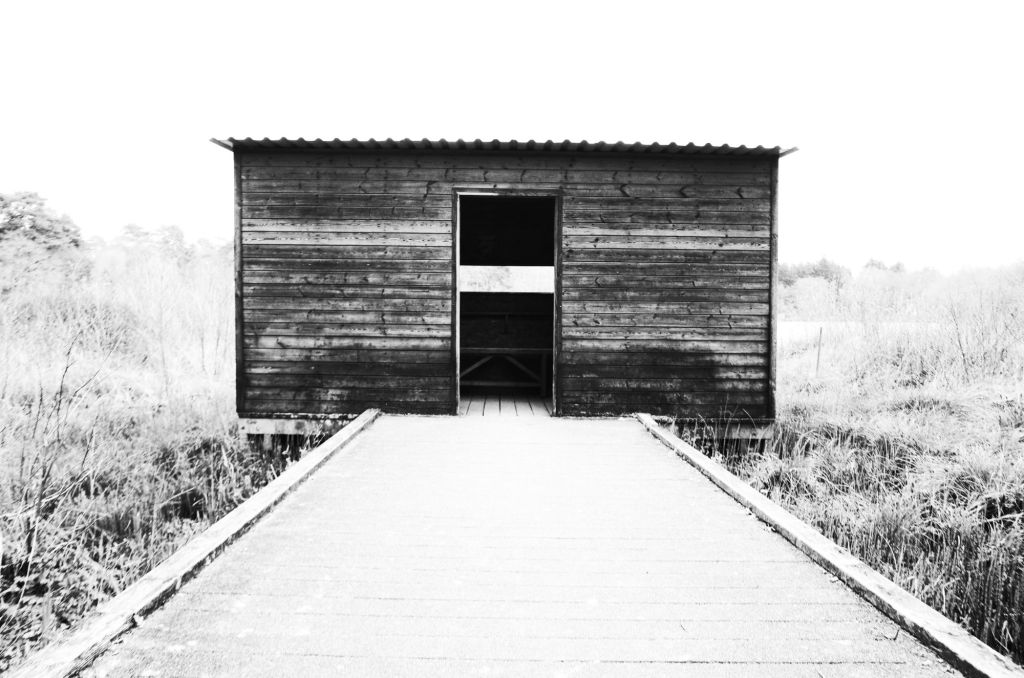
5. Magical Film Simulations (Positive Film and High Contrast Black and White) My reason for buying this camera was for it’s compact form factor, but it is the incredible film simulations which have got me completely hooked. Specifically ‘High Contrast Black and White’ and ‘Positive Film’, but mostly ‘High Contrast Black and White’. It is phenomenal. I found the High Contrast B+W to be fascinating. It is gritty, and unpredictable. It seems to transform the mondane and familiar to something much more interesting and playful. The profile misbehaves, and I found this experience closer to the process of shooting and developing film. Like the anticipation and surprise when reviewing black and white negatives after shooting in a world of colour. I think it is the same user experience Fujifilm are trying to mimic with the recent X-Half camera.
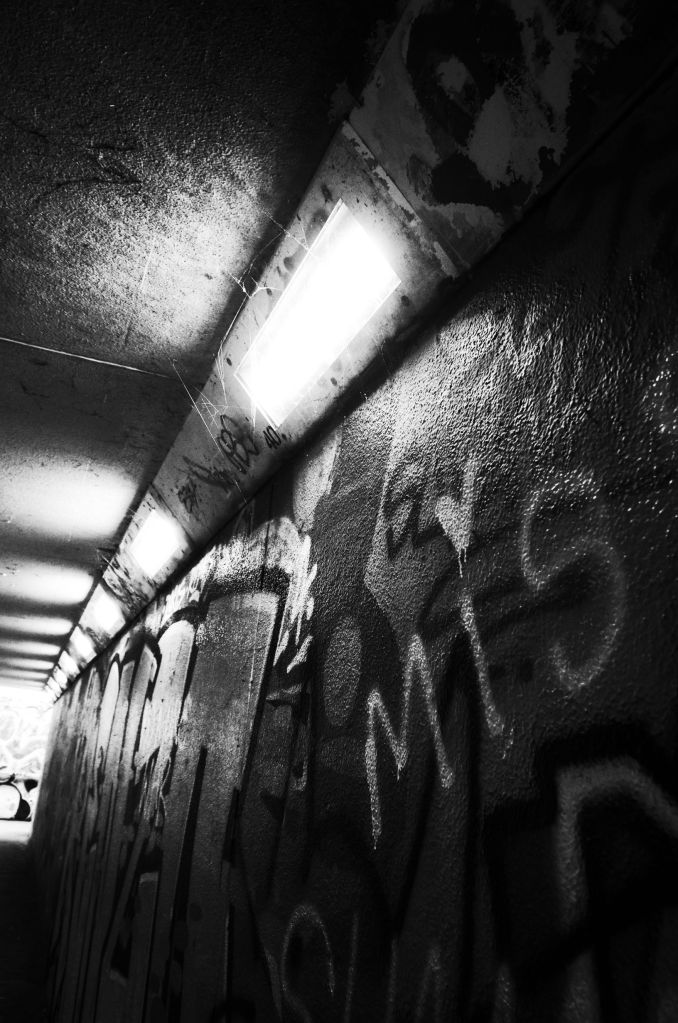
When I feel stale, and when I have photographer/writer’s) block. I pop this camera in my pocket and I go on a walk around the streets where I live. Normally, the immediate areas where you live is far too familiar to be subject-worthy, but the combination of the GRII form factor, and the ‘High Contrast Black and White’ film simulation make it a good way to just get shooting.
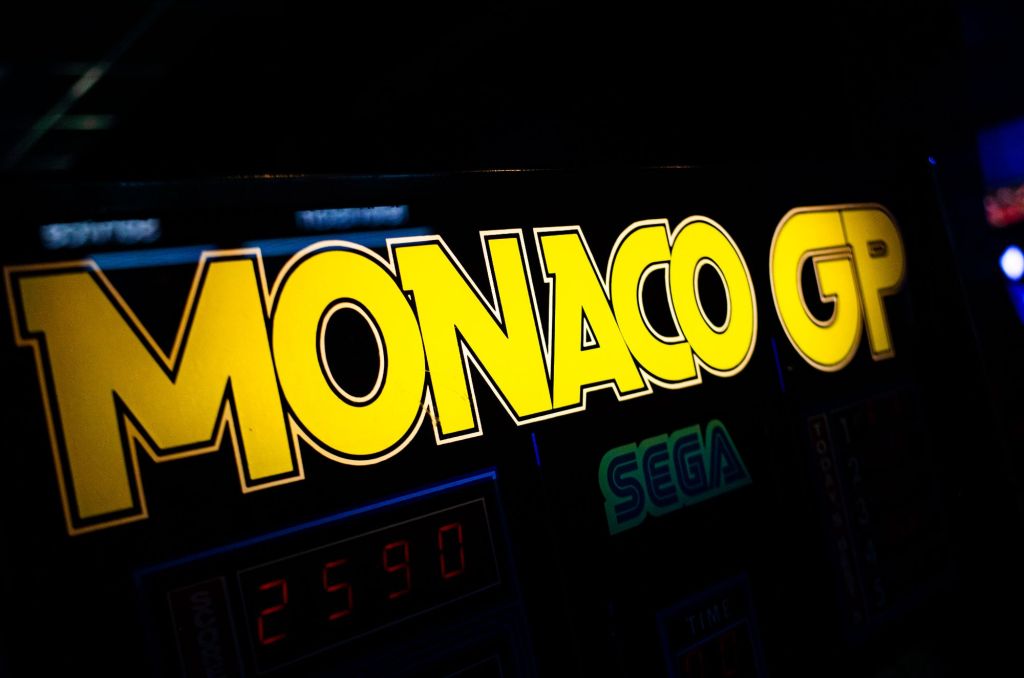
The Positive Film profile is lovely, and has a similar feel to Fujifilm’s famous Classic Chrome simulation. Its perfect for family moments and travel situations. At this time I shoot with just those two Ricoh profiles, as well as keeping the RAW.
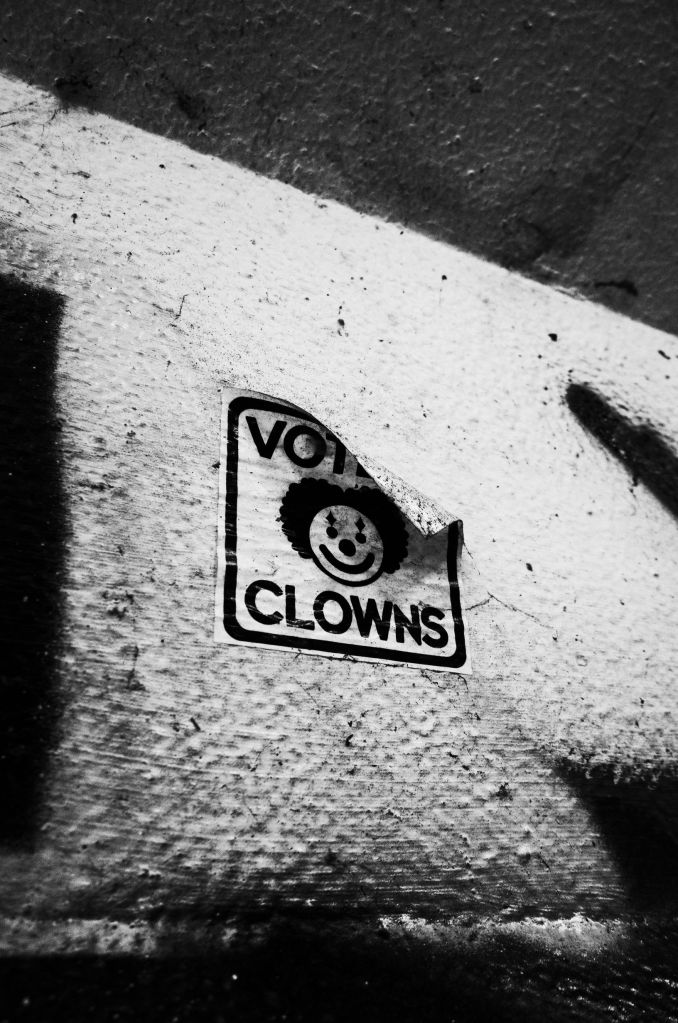
Replicating the Ricoh GRII’s High Contrast B+W on Fujifilm: Under Construction
Due to my current obsession with the High Contrast (B&W) profile on the Ricoh GRII, I have been trying my best to replicate this look on my the Fujifilm cameras. This is proving very difficult indeed, which shows that the Ricoh profile is special. When I crack the code and discover the Chef’s secret ingredient, I will build some Fujifilm recipes and share them with you.
Honorable mentions (other good things)
There is a lot to like about this little camera. I have gone over my ‘5 Good’, but I wanted to briefly some other features that stood out.
■Pop up Flash (not present in the GRIII & GRIV, but very useful indeed)
●Wireless transfers possible via app (Jpegs and Raw files)
●Built in ND filter (and the camera also has a handy Auto-ND mode)
●Macro mode (it’s not true macro, but it is really decent for close up subjects)
Well, sadly that is enough of the good stuff. Time for some of the bad bits.
5 Bad Things About the Ricoh GR II
Nothing in life is ever all-good, and cameras are no exception. The game is figuring out if you can live with the flaws. We all need different things after all.
1. Autofocus is below average.
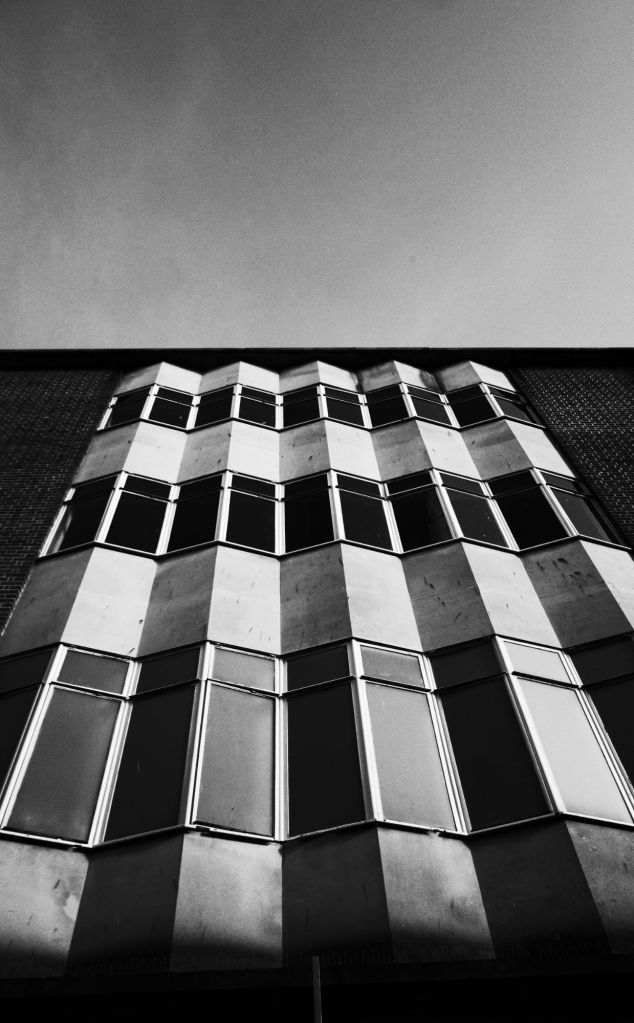
For my needs, I don’t require much from autofocus. Most of the time I am shooting static subjects. Sadly, at times, the autofocus can really struggle. It seems pretty snappy with people, and for macro/close ups, but for landscapes, buildings and low light I have had real difficulties in getting it to focus at all. I have tried all the different focus modes but it is consistently bad across all the settings. I often resort to Snap focus mode to actually get a usable shot. This cans be a bit frustrating, especially when compared to the speed and convenience of using smartphone.

It must be noted that I have only used my own copy of the GRII, which is old, battered and bruised. It could well be an isolated issue with my camera alone, but I have heard of others having a similar issue with the AF.
This is the single most disappointing thing about the camera, and the weakness most likely to let you down when you need it most.
2. Age related faults and lack or repair options.
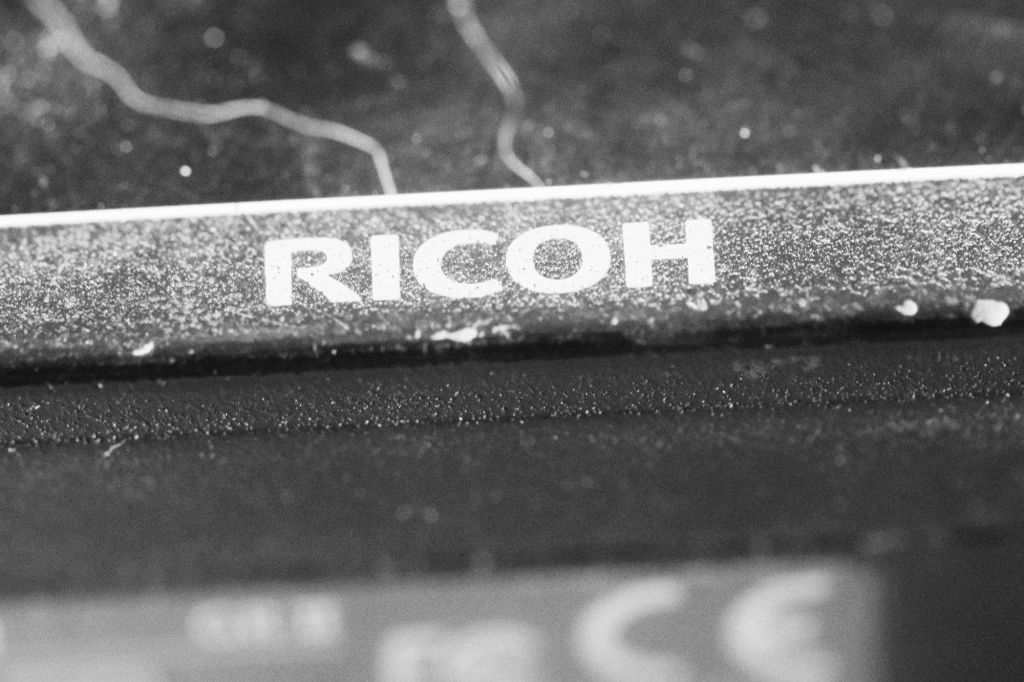
My GRII has a common fault, whereby the shutter stays closed until you take your first photo (every time you power on). After that it will operate as normal (until you power it off). It is an expensive repair, or you can just live with it. This makes for a slow start-up, as you now need to fire off a shot as soon as you power on. It’s a bit of a pain, and a reminder that these issues will arise on a older, well used camera like this.

Sadly, repairs seem to be either ‘not financially viable’, or just not possible. There are only a small number of specialists who will be able to suitably repair this camera. Over time your GRII may also get dust work it’s way into the camera. This is an occupational hazard of a fixed-lens camera without weather sealing. This is something that could be sorted with a deep clean and service (at a cost), and the problem may well return. This could be particularly annoying if you have shelled out a lot of cash for this camera, but may be less of an issue if you found a bargain somewhere. It is certainly something to consider.
If you buy used from your local camera shop (or online specialist like MPB, Wex or LCE), then you may get a 6/12 month warranty. This might cover a fault, but probably won’t cover dust working it’s way in overtime. All food for thought.

3. Prices – On the rise.
I know what you are thinking… How can ‘price’ be on the good list and the bad list?
Well, when fairly priced £250-400 I think this is an excellent option. However the GRII does seem to be volatile when it comes to market prices. At the time of writing, a used Ricoh GRII is selling for between £804-944 on MPB (£804 for Good, £944 for Excellent). This is absurd. I am not at all criticising MPB, they simply reflect the market values. Now this camera is great, but I think these prices do not offer value-for-money.
Sometimes I like to draw up a simple formula, just to see if a purchase is really going to be worthwhile.
First, asign a value to a ‘keeper’, a shot that you are really happy with. Me personally, I think £5 is about right.
Then I consider the cost of the item: will it realistically get me ‘x’ amount of keepers in its lifetime?
At £250, it owes me 50 keepers. At 900 it needs to help me produce 180 images that I am really happy with. That’s a lot more output for an old dawg.
It’s a stupid formula really, and not that helpful. It’s just another way to see things.
4. Batteries (Battery availability and old cables)
The Ricoh GRII uses a Ricoh DB-65 1250mAh battery. It isn’t bad, but it isn’t great. You definately need a few spare batteries if you are heading out for the day. That is where the problem comes. The official Ricoh batteries are discontinued, and are hard to find. If you can find them, they will retail for £49 each, which it’s an awful lot for such a small battery. Third party batteries are the solution, but they can vary massively in terms of quality so do your research before buying.
For some reason, I just don’t like having millions of different cables. I think I am just easily confused. The GRII uses another random usb cable to charge, if you want to charge the batteries ‘in-camera’. I just use a little battery charger block. .
5. No Stabilisation (IBIS)
This isn’t a deal breaker for me, but it would be helpful in some low light situations. I work with static subjects most if the time, so a few stops of IBIS would be great. I don’t use it for Video, but it would be a handy feature for those that do.
The next GR models do have IBIS (GRIII & GRIV) so consider these if IBIS is essential for you.
Conclusion
The Ricoh GR II is a flawed masterpiece. It’s a camera that you can take everywhere, which is caperble of producing beautiful images with little-to-no-editing. It will miss shots, and it will regularly test your patience. In 2026, I cannot put the thing down, it remains one of the most compelling pocket cameras ever made. If you can live with its quirks, it might just become your best friend too.
 Fuji Magic Blog
Leave a comment