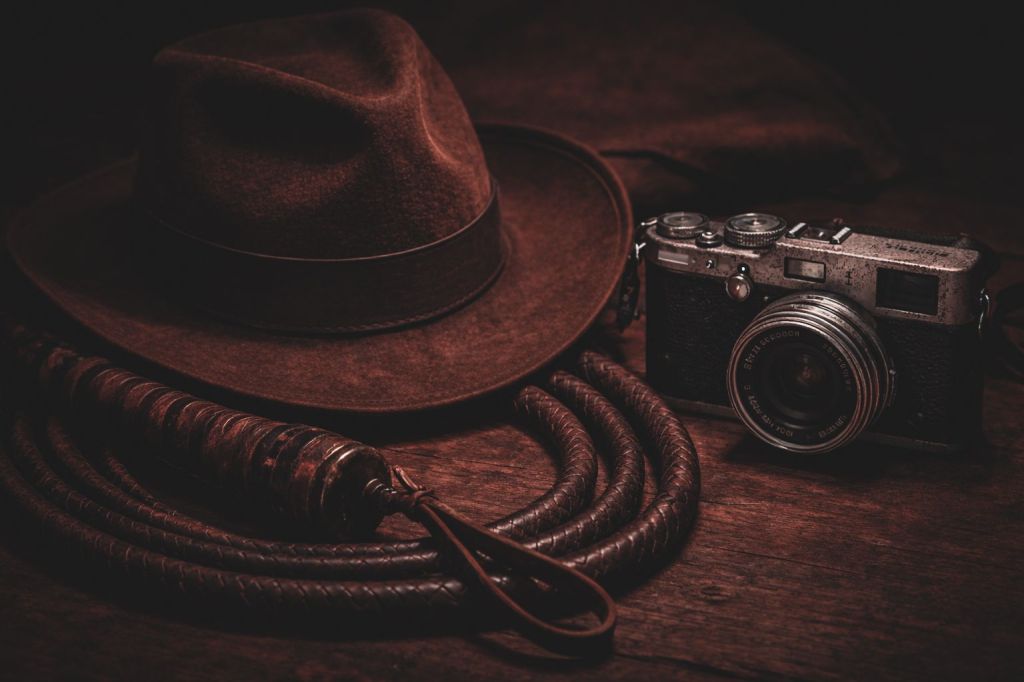
What does Indiana Jones take with him when he goes out adventuring?
He takes his hat, his whip and maybe a map (if he’s feeling organised). He pairs these essential items with his grit and determination to get the job done. He backs himself. Any more kit would slow him down.
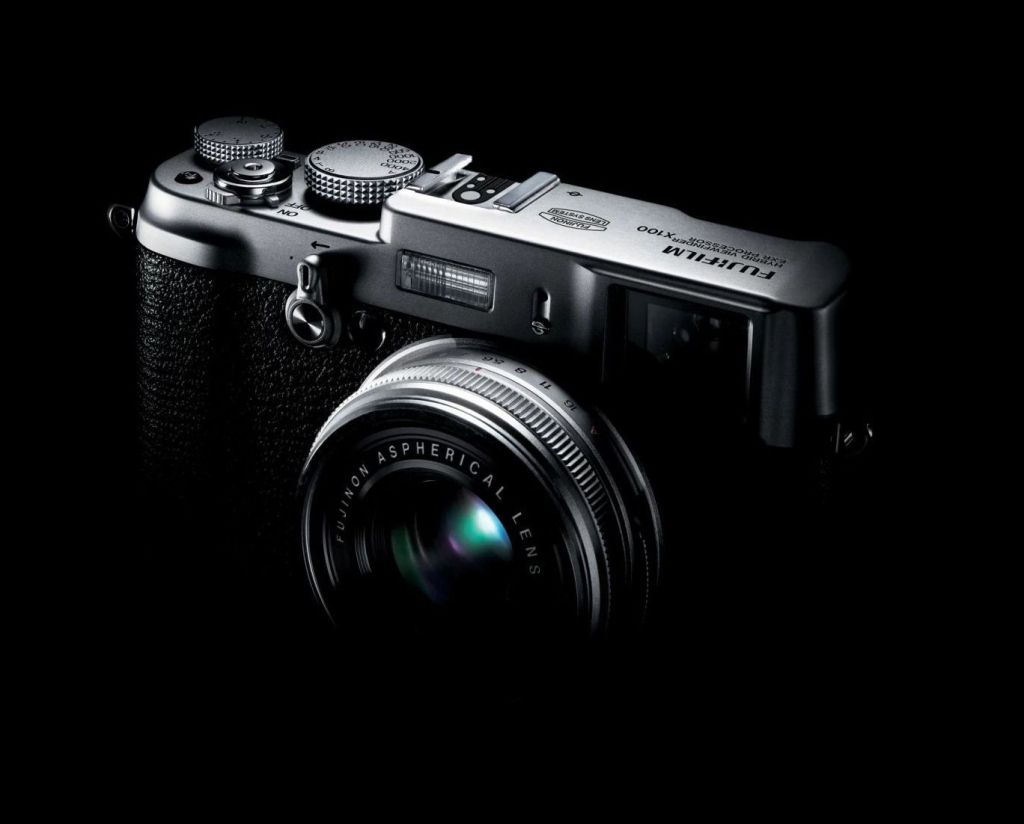
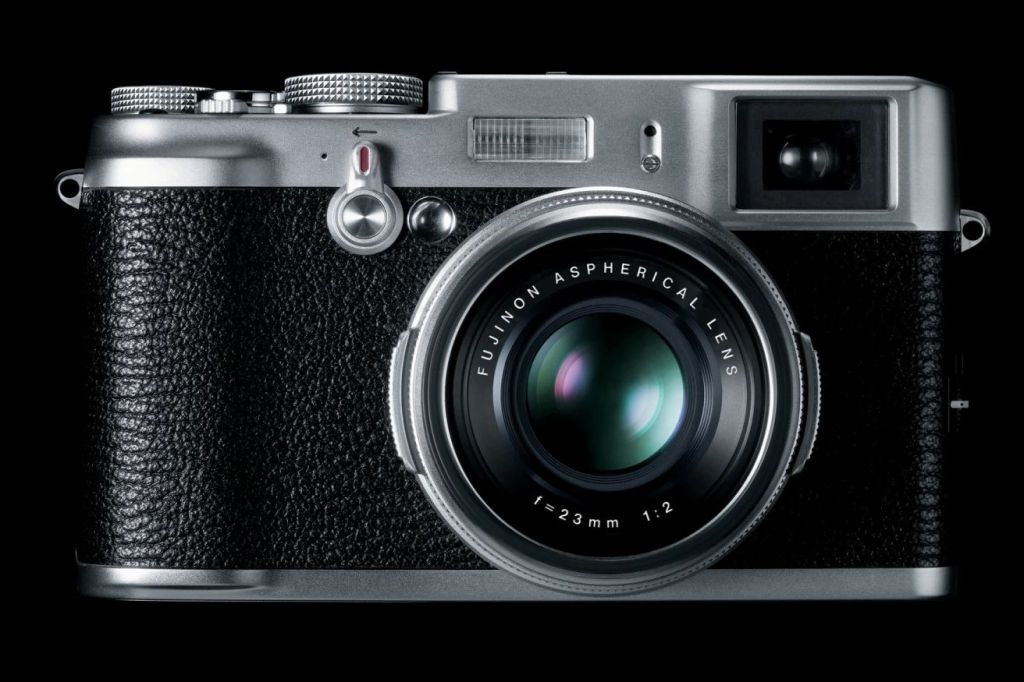
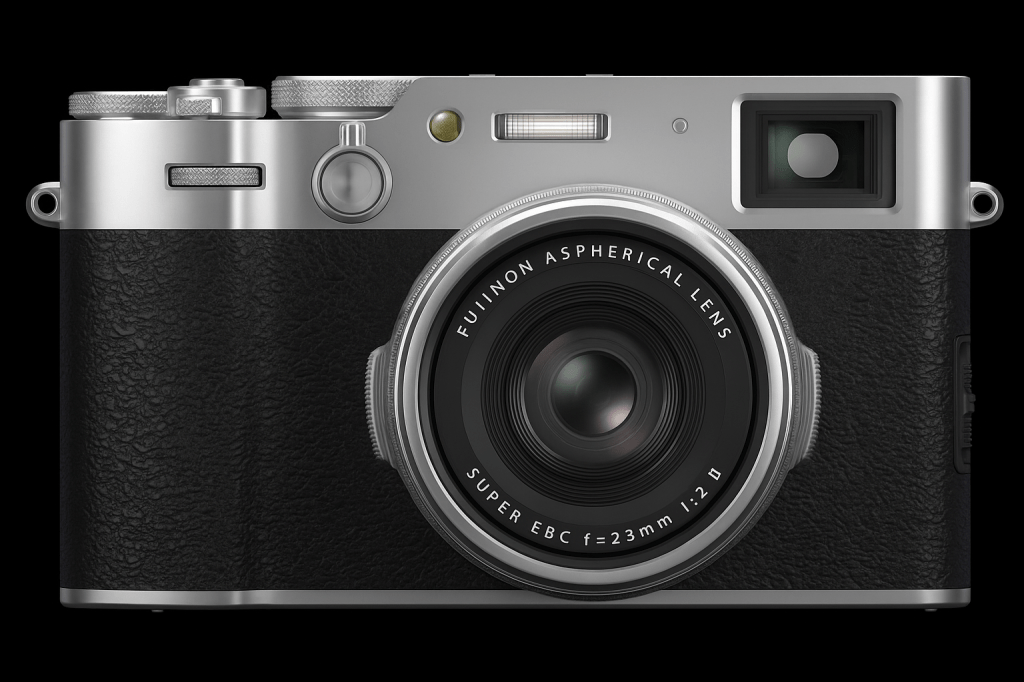
The X100s, is the Dr Henry Jones Jr of the camera world. It is everything you need to adventure, but nothing more.
In a tight spot, it will get the job done as long as you are able to think on your feet.
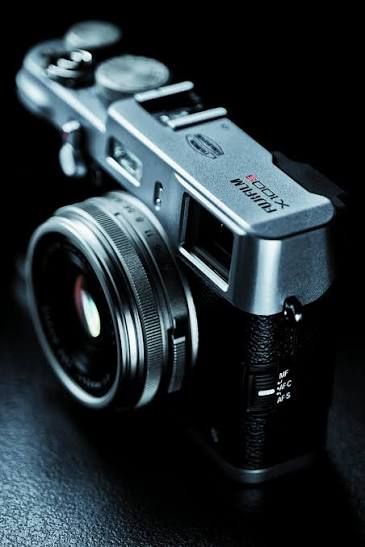
No camera ‘does-it-all’ . Smartphones are definately getting close though, on paper at least. AI is now integrated in the process, which definately muddies the water on to what is being captured. The X100S is an honest camera. The 35mm equivalent field of view of the can get you what you need, if you can quickly adjust to your surroundings.
The lens is sharp. The lens is fast (F2). The camera is small. It has a flash and ND filter built in. These raw ingredients haven’t changed from the original X100 (2011), to the current X100VI (2024).
I would argue that the biggest leap in progress in the X100 series, was from the X100 to the X100S.
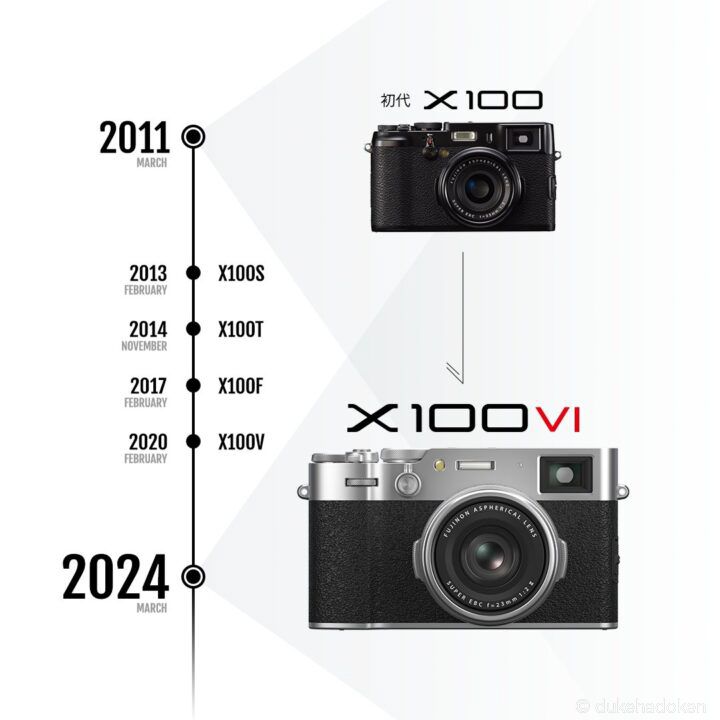
It went from being premium, but a bit frustrating – to a well rounded camera that you could now take everywhere with confidence. After the X100S, each iteration just added one or two small improvements. The X100vi now has all the bells and whistles, but the improvements were steadily built on a stable foundation (see my essential guide to the X100 series).
That’s obviously just my opinion, and it should stressed that I have no idea what I am taking about.
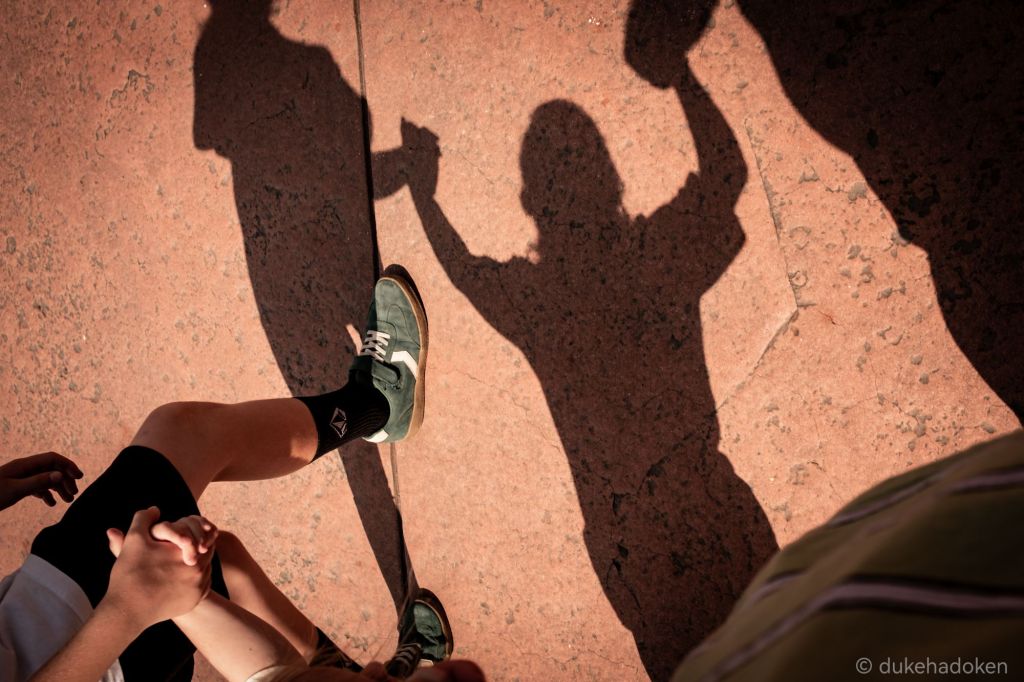
My X100S
I bought my X100s dirt cheap. It was a bit rough around the edges, and had a strong whiff of tabbaco smoke, which took a long time to fade. Strangely I didn’t mind. It felt like this camera had a life before me. I often wondered who the previous owner was. I imagined the kind of photos that might have been taken before. I hadn’t ever been curious about a second hand item before.
Because the camera was a little roughed up (and because I got it for very little), I was not precious about using it. I would take it out in the rain, trusting that my jacket pocket would offer enough protection in-between shots. It owed me very little. I have always struggled to use new, expensive or immaculate kit. I am so much more comfortable if my camera has already been in a few fights.

Is it’s still good in 2026?
Why wouldn’t it be? If it was award-winning in 2013, surely it should still be good now?
It will perform just as it did in 2013. Check out the reviews from the time. It still performs well.
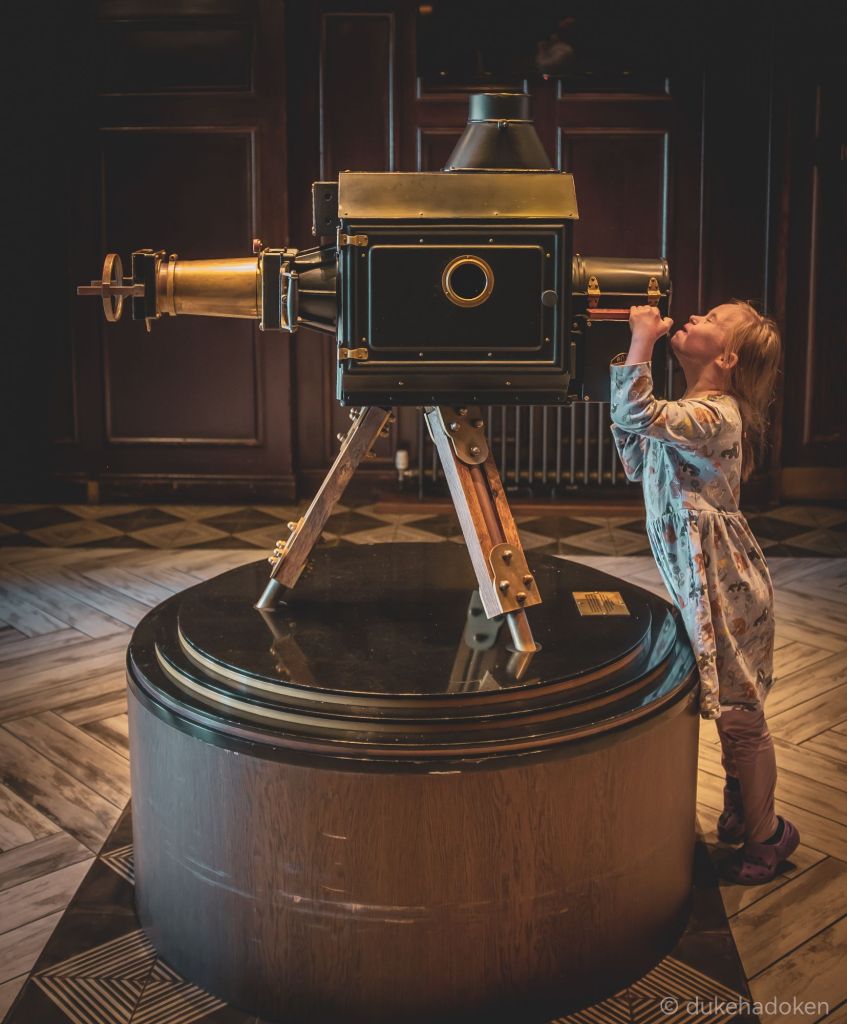
Image quality-wise, it is super. Even after 13 years, it will still be one of the smallest cameras to house an APS-C sensor. This gives you some good low light performance, and detail. The images, especially of people, really pop.
But let’s quickly discuss the obvious potential issues (compared a new camera).
(more…)




 Fuji Magic Blog