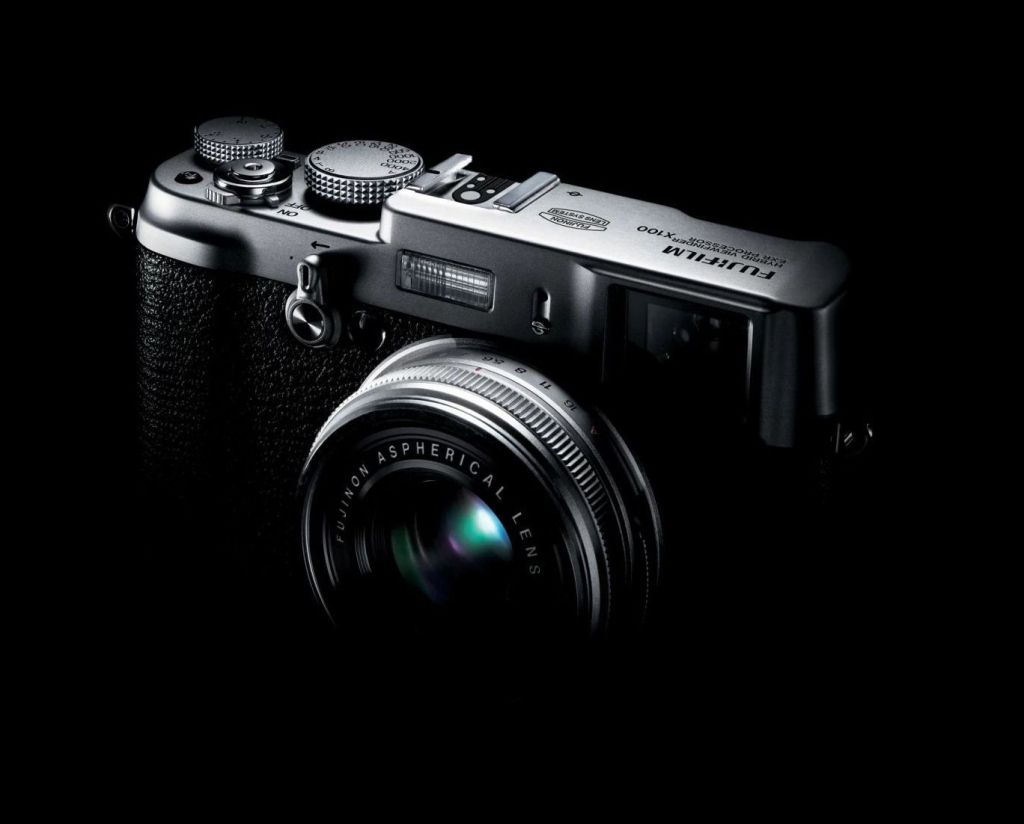
Introduction to the Fujifilm X100 Series
In the early days, the X100 series became known as the camera that pro photographers used when they weren’t working. The camera was fun to use, it felt great in the hands, and produced beautiful images without any editing. It didn’t feel like work.

Fujifilm refined the X100 design with subtle tweaks over the generations, but made efforts to keep the essence intact. The X100 series was well known in the photography world, but still remained relatively low-key in the public domain, even after 4 generations. That all changed in 2022 when the X100V model surged in popularity following viral trends on social media. The X100V became the most sought after camera ever, with prices on the used market soaring above the RRP. Things have calmed down since this peak, but interest in all X100 cameras is now high.

Now, let’s cut to the chase. What are the differences between the models, and how much should you pay for one? Let me tell you what I know…
The x100 series now has 6 versions since 2011. They all look very, very similar to each other. (The designer of the series actually said that the intention was for all the versions to look the same from 4 feet away).
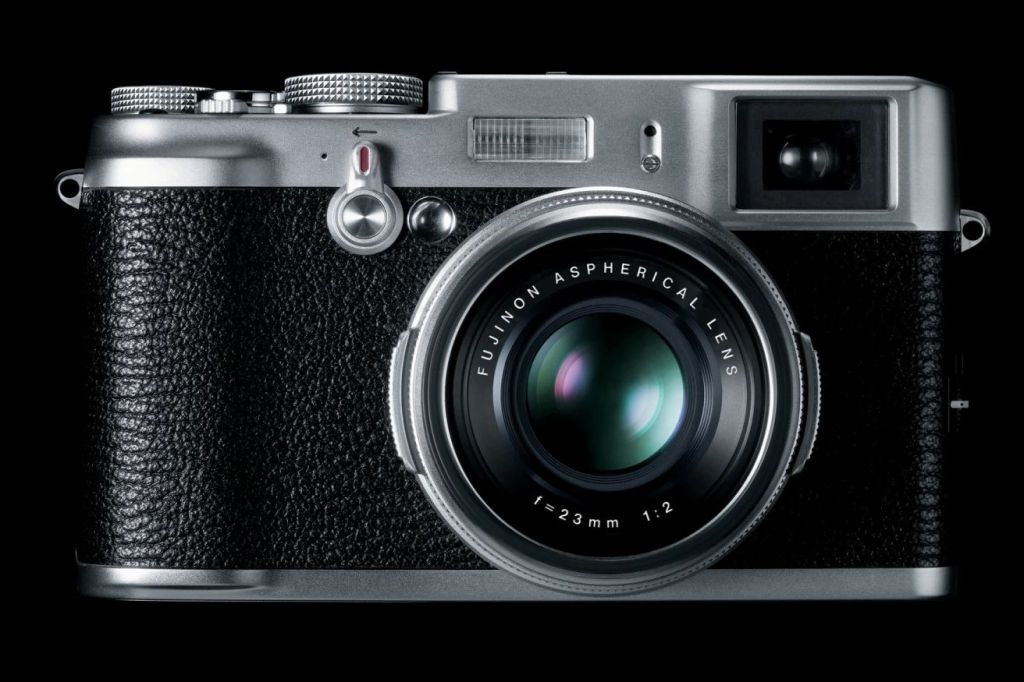
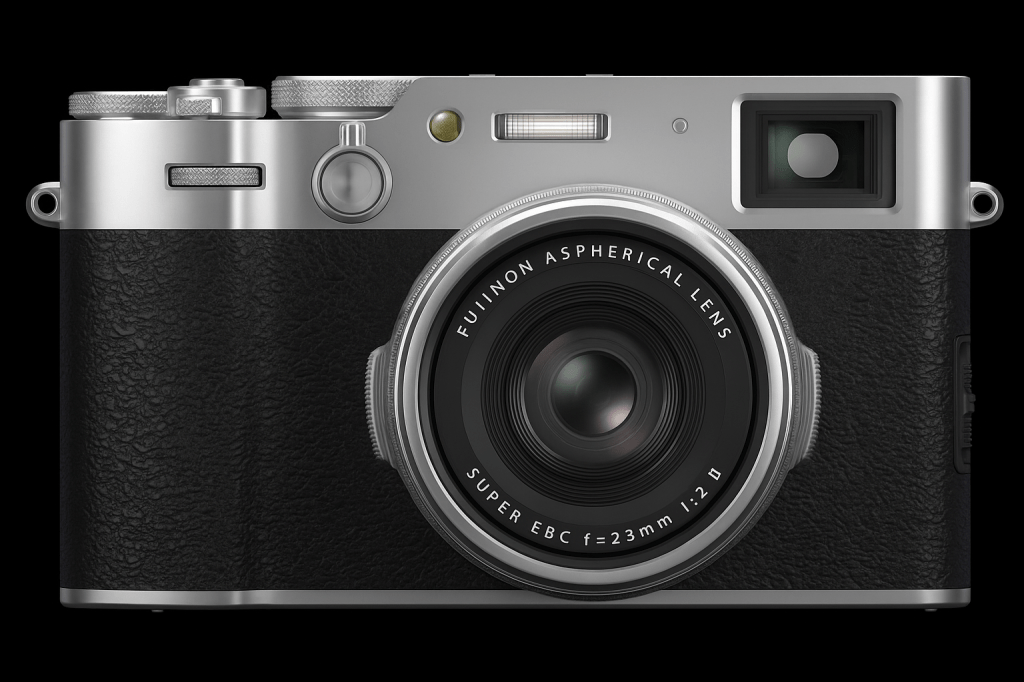
Unfortunately, a recent TikTok trend has made the recent models the must-have hipster item, which has then subsequently inflated the prices all the models.
The X100 series is:
In short, it is a premium flagship camera model, with a fixed lens (really nice F2, 35mm equivalent lens) and a APS-C sized sensor. They all feature a leaf shutter, built in ND filter, as well as a electronic and hybrid optical viewfinder. Each generation has more film simulations, and gets more features (eg megapixels, autofocus improvements). They tend to come either in silver or black.
Model‑by‑Model Breakdown: General differences in price and spec:
X100 (the original) 2011, 12mp, 3 Film Sims (1st gen lens)
Market price 250-350. This is the only model I would tend to avoid unless you know and appreciate it’s quirks. It is the only model that feels a bit old. The software in the first model feels like it was never perfected, so it can it feel a bit slow and a bit unreliable. Having said that, the sensor is beautiful, and some photographers argue that it has the most ‘filmic’ look of them all. Don’t get me wrong, I would still love to take one of these on a trip, it would still be very enjoyable. In 2025 I think it may also be challenging to find a good copy.

X100s** (S stands for Second) 2013 16.3mp sensor (lovely sensor), 8 film Sims. (1st gen lens)
Market price 350-500. If you can pick one up in decent condition for around 350, that is a decent deal. This camera is solidly built, with a really unique sensor (great colours), and has the same lens as the subsequent models. No wireless connection to phone. Read my full review of the Fujifilm X100S here.

In my opinion the X100s is probably the best bang for your buck in this inflated market. But, it is 11 years old! This is a great ‘everyday carry’ camera, which should be taken everywhere. I think the lower price tag allows it to be used in this way. It does the job well, and it feels natural to use. I would like a few extra film simulations from the later models, but its not the end of the world. It does not feature the ‘Classic Chrome’ film simulation, which could be a deal-breaker for some.
X100T (T Stands for Third) 2014, 16.3mp, 9 Film Sims (1st gen lens) – Wireless connectivity to app/phone
Market price 450-600. There is very little difference between this and the x100s. This makes it harder to justify spending much more on this model. It has slightly better autofocus, it has connectivity to a mobile phone, and it had the ‘Classic Chrome’ Film simulation, which is pretty nice.
It looks almost identical to the X100S in terms of it’s appearance, however it does have a couple of extra function buttons and a revised layout on the back. On paper, a jump of around £250-300 up from the X100s may seem excessive. But, if auto-focus, classic chrome, and additional function buttons are all important to you, it is also probably worth it.

X100F** (F Stands for Forth), 2017, 24.3mp, 10 Film Sims (1st gen lens) Wireless connectivity to app/phone
Market Price is 750-950. This version, starts to get a bit more modern – in a good way. The Auto focus is now pretty decent and the viewfinder is a significantly higher resolution. It also has the ‘Acros film’ simulation, which is a lovely B&W film sim with beautiful tones and natural grain. It is probably my favourite simulation and that could be a big factor for me personally. It has Classic Chrome too. If you could pick up one of these for 650-750 it would be a good deal, and worth it for the extra features, in my opinion.

X100V (V Stands for 5th – eg Roman numerals) 2020, 26.1mp, 2nd Generation of Lens, flip out screen, 12 Film Sims, Wireless connectivity to app/phone
Market Price 1050-1350. The x100V is the camera that became a craze on the internet. It sold out everywhere and is still now selling for more used, than the original selling price (RRP of £1299 when first released in 2020). If you could pick one up somewhere for around 950-1000 it would be worth it. Warning, it is such a desirable model, that it is ripe for scammers/ fake adverts and listings. As you know, ‘If it is too good to be true, it probably is’. Your local camera shop may be able to source one for you for a fair price. This would also give you some peace of mind (and a warranty) for a larger purchase.

X100VI** (VI = 6) 2024, 40mp, Stabilisation 2nd gen Lens, flip out screen. More film Sims. Now made in China, Wireless connectivity to app/phone
RRP £1599, but out of stock everywhere. This is the current, shiny new model. Let me be honest, this model is really nice. It has all the bells and whistles: 40mp sensor, (IBIS) stabilisation, decent video, warranty.
The model has been perfected. It would be a perfect camera if you can warrant the cost, and actually get hold of one of the darn things. Whist expensive, I think it is actually worth the price for the improvements you get. The IBIS opens up a lot of potential, as do the extra pixels on the sensor. But it is still £1599, which isn’t pocket change. If your work isn’t reliant on IBIS or video, then maybe the upgrade isn’t necessary.

Fujifilm X100 Series Comparison Table (All Six Models)
If you’re trying to work out which Fujifilm X100 model is right for you, the differences can feel subtle at first glance. To make things clearer, I’ve put together a simple comparison table covering all six versions — including specs, key improvements, real‑world impressions, and typical 2026 prices. It’s a quick way to see how each model has evolved and which one might suit your needs best
| Model | Year | Sensor | Lens | Film Sims | Key Features & Improvements | Real‑World Take (Short) | Market Price (2025) | Best For |
|---|---|---|---|---|---|---|---|---|
| X100 | 2011 | 12MP | 23mm f/2 (1st gen) | 3 | Hybrid OVF/EVF, ND filter | Beautiful filmic look to images, but a little slow to use | £250–£350 | Retro lovers, collectors |
| X100S | 2013 | 16.3MP | 23mm f/2 (1st gen) | 8 | Better AF, improved sensor, more film sims | Best value; lovely sensor; no Classic Chrome | £350–£500 | Everyday shooters |
| X100T | 2014 | 16.3MP | 23mm f/2 (1st gen) | 9 | Classic Chrome, wireless, faster AF, ERF | Small upgrade; worth it if you want Classic Chrome | £450–£600 | Fans of Classic Chrome |
| X100F | 2017 | 24.3MP | 23mm f/2 (1st gen) | 10 | Increased to 24.3MP, joystick, Acros, better AF, higher‑res EVF | Modern feel; Acros is a big win | £750–£950 | Travel & B&W shooters |
| X100V | 2020 | 26.1MP | 23mm f/2 (2nd gen) | 12 | Flip screen, weather‑resistant (with filter), 4K, new lens | Brilliant, but prices can be inflated due to hype | £1050–£1350 | Hybrid creators |
| X100VI | 2024 | 40MP | 23mm f/2 (2nd gen) | 13+ | IBIS, 6.2K video, fastest AF, more film sims | The polished, perfected version | £1599 RRP | Pros & enthusiasts |
Which X100 camera should you buy? A few thoughts.
Everyone needs diffent things from a camera, because we all want to a camera to photograph different things. Use the handy chart above to assist you in your quest for x100 glory. If I had to summarise my personal thoughts on the matter… **I think the X100S, the X100F and the X100VI are the ones to go for (at the right price of course). Every 2 generations there seems to be a significant jump on features, and you can see it with these models. All represent a decent features-to-price ratio.
MPB, Wex and LCE are all good places for buying used gear. You tend to get a 6 month warranty. Plus if you don’t like it when it arrives you can just send it back. I have bought and sold a few things with them and haven’t had issues. You never get a great deal, but prices still seem better than ebay.

The Competition: Alternatives to the X100 series
The Fuji line does seem to be the only thing of its kind. Leica do offer a full-frame premium compact (Leica Q3), which retails for £5,400, but this is serious money.
The most logical rivals would be Ricoh and Sony, which also a premium compact line. These both seems to be closer to a classic point-and-shoot design than the Fujifilm options which appeals less to me.
(Ricoh GRIII, Sony RX100 series. Very pocketable. But more modern style)
Of course you could opt for a compact-sized interchangeable lens camera like the Fujifilm X-E5, with the 23mm F2.8 pancake lens. This will be almost the same form factor as the X100 series, but will support addional lenses which may suit your needs more. I once built my own X100v alternative with an XS-10 and the 23mm F1.4 (see the article below) Although it should be remembered that the appeal of the X100 series is the commitment to use one lens only. This can force you to be creative to get the shot you want.

Anyway.
Despite what the advertising and influencers say. £1599 is a lot of money. Heck 500 is a lot of money. We shouldn’t pretend that it isn’t. When I first bought the X100s, it was roughly the same price as a used 23mm lens. It was sensible enough gamble.
It worked well, and I quickly grew to love the concept of the camera. The X100vi is great, but it is not 4 times better than the X100s. The X100s costs less, and because of this, it feels less stressful taking it around. But, the X100vi can also do a couple of things that the X100s can’t. Sometimes you need to pay for the things that are essential to you. In my situation, the IBIS alone means I can capture more images than I could before. For others, video is a big deal. But for personal projects and capturing life, any X100 can still deliver the goods.

Sometime we should look back at reviews written at the time. In 2011, the original X100 was described having ‘superb image quality even at high ISO settings’. In 2015 the X100T was said to have ‘great image quality and colour rendition. If this was true the, it is still true now. Just because there is a newer model out, does not mean the old stuff should be forgotten.
What do you think?
I’d love to know your experiences of this series? Has anyone every gone back to an older model? Tell me more (comment below)
Also, if you would like me to write about anything in particular in future posts, then add a comment below or send a message via the ‘contact’ page and I will see what I can do.


Leave a comment