
Not many camera lenses ever achieve a ‘classic’ status, espacially when they were made in the 21st Century. Classic or character lenses tends to mean a vintage lens that had particular charm or optical trait. Lenses like the Helios 44-2 and the Leitz Summar 50mm F2, which can be identified just by glancing at an image taken by it. It makes sense that if Fujifim were trying to develop a whole new camera system that celebrated the look of vintage film, then they should also capture some of the character from vintage lenses in their new glass? The XF35mm was developed to fulfill this brief, and boy does it deliver.

We must remind ourselves, that lenses (and cameras) are just tools to help us create. But, what if your lens gave you a bit of a helping hand every once in and a while? I’m serious. There is something mysterious going on with this lens. I cannot quite put my finger on it, but it sometimes makes an image out of absolutely nothing. I should take the credit when it happens, but I can’t. I was there, and yes, the camera was in my hands, but I really had nothing to do with it.
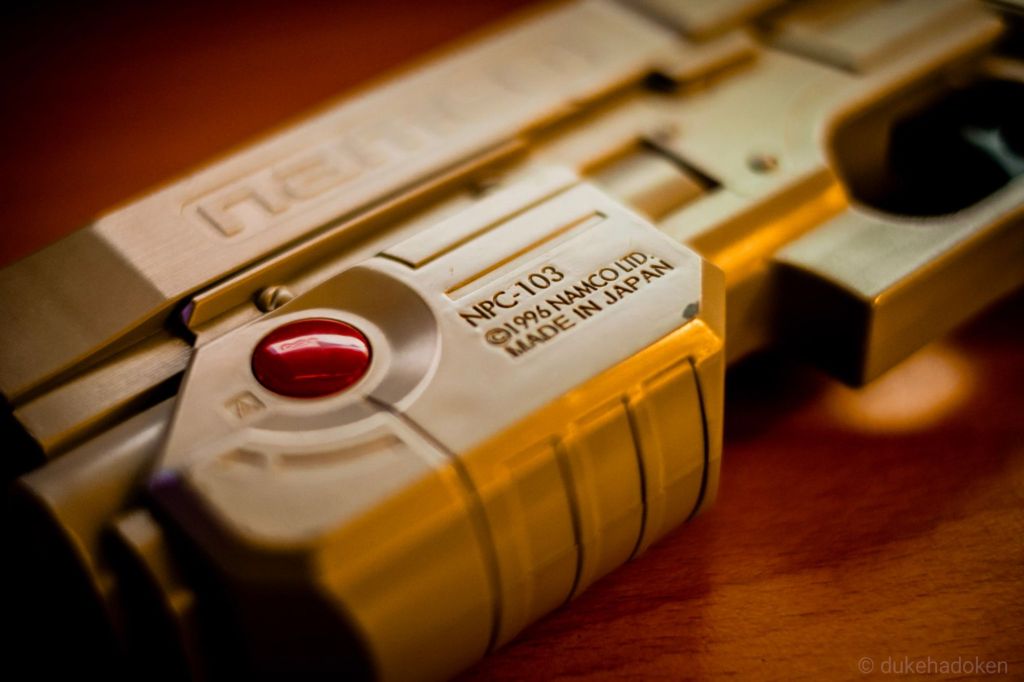
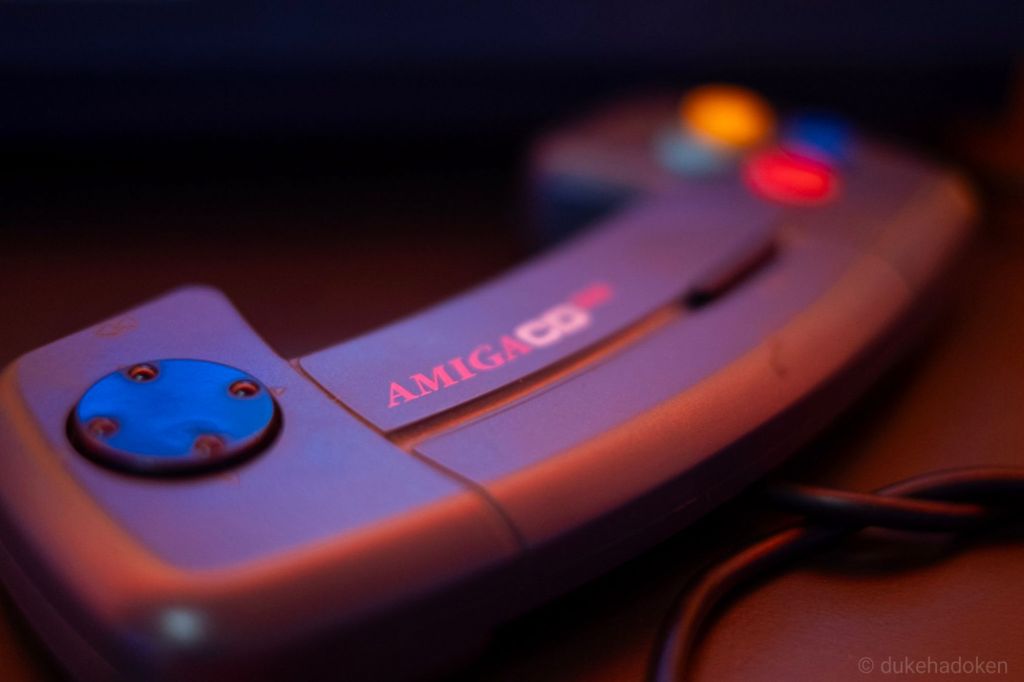
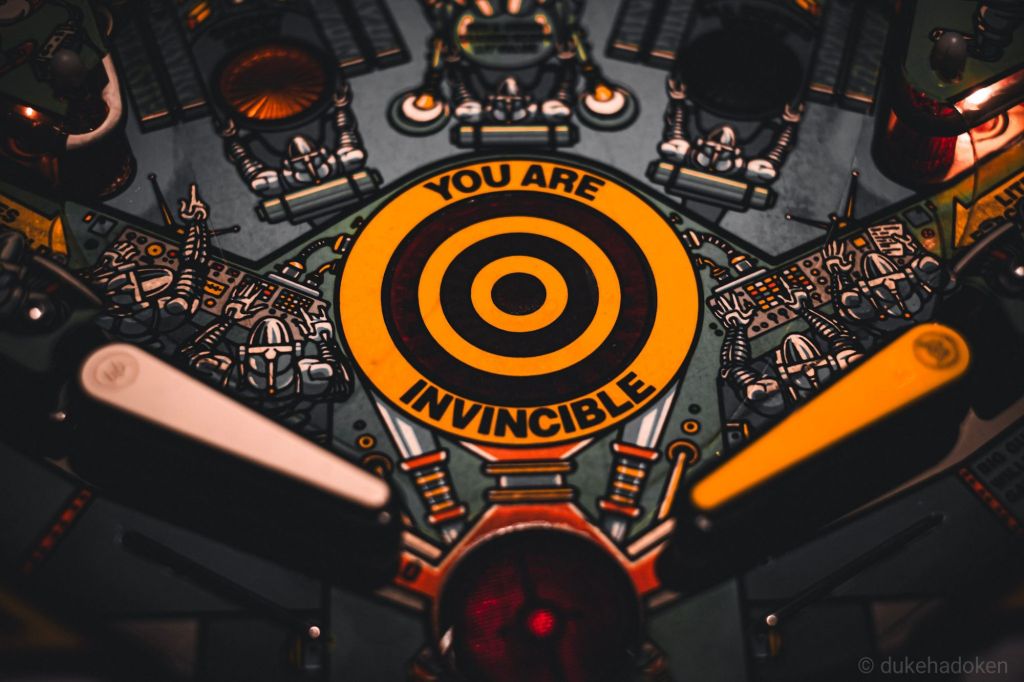
Maybe I am being silly. Maybe what I’m really mean is that often, I didn’t think much of an image at the time it was taken, but when I check the images later, it’s actually half decent. Like a magical spell had fixed it in the time in-between. Similar to when the tooth fairly swaps a tooth for a shiny coin when you sleep. Pre-post-processing.
The history & technical detail.
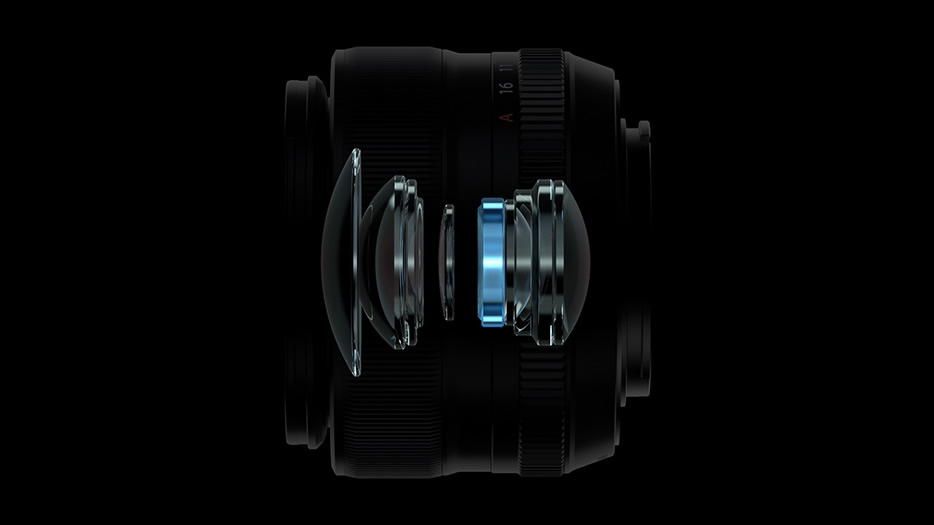
The XF35mm F1.4 R is small and light. It weighs just 187g, and has a minimum focus distance of 28cm (which I always find really helpful). It was released at the X-series launch, along with the XF60mm F2. 4 and the XF18 F2.
In 2011/2012 Fujifilm gambled, quite bravely, on the X-series range. You might expect this venture into the new mirrorless world to be quite conservative. For example, late film SLRs from the early 2000s look remarkably similar to early digital SLRs from that time. Companies often favour a smooth, conservative, low risk transition to keep all the shareholders calm.
Instead, Fujifilm took this time to roll the dice. Perhaps with cameras sales in decline globally, it was the last real opportunity to try and steal a march on the competition.
The gamble.
Retro styling, crop sensor and simulations.
On their own, you would think that each idea is a gimmick. But, when all the elements combine, this is where the magic happens. Imagine, you pick up the X-pro 1 in 2012. It’s heavy, its well built, it’s a rangefinder? You want to turn the dials and press that old-school shutter button. It’s smaller, it’s cooler and it’s the first time you see film simulations that don’t suck. The sensor seems to be doing things, good things. At this point, you feel the magic tingle, and you start questioning what you always thought was best. Before it was easier: full frame, modern, and Canon/Nikon/Sony. Now there is something else to think about.

It was the XF35mm that knitted the whole system together. The X-Pro1 combines the old and the new, and the XF35 does the same trick. The lens has the character of vintage glass, but with modern-day sharpness. It feels the business, featuring an apperture ring on the lens itself. It also looks the business (especially with the square hood it comes with).
The images it takes are imperfect, but in the same beautiful way that nature is imperfect.
I am not sure how long Fujifilm spent in the lab with this lens, but I feel like the team (or the mad scientist) had a lot of creative control. Perhaps this system was the originally the Plan B, a low-key, back-up project which gathered momenum and came good. Who knows?
The Good.
This lens is more than just a ‘nifty fifty’. It is sharp even at F1.4, meaning it is a remarkably small and fast. For low-light photography, this lens is a blessing. Previously I used it in cameras without IBIS, and it was awesome. In a camera with stabilisation, it honestly feels like cheating. F1.4 is tremendous in low-light situations, and of course has the added benefit of producing beautiful bokeh when you need it (and who doesn’t like that?)

Let’s talk about portraits.
When this lens was first forged (I presume at the top of mount Fuji), the elders said ‘it must take good portraits’. Generally, I don’t take many portraits, but I can confirm it takes wonderful pictures of people: close up and more contextual shots. It makes you want to take pictures of those around you.
The bad.
The earliest XF lenses all have the older auto focus mechanism. This is a bit slower and a bit noisier. Some people think it is outragiously noisy – but it isn’t. It shuffles back-and-forth more than the most lenses, and this shuffling is the noise. It doesnt bother me, but it could bother you. The focus hunting is more of a problem if your subject is moving.
I don’t do a lot of work with moving subjects, and I also move fairly slowly myself. But, I dont think it performs poorly at all. I happily use this lens to chase the kids around with, and it works well for that.
Other things to consider: It is not weather sealed. So, if you often work in dusty or wet conditions, you may need to think of an alternative (eg. the XF35mm F2 or the XF33mm F1.4 – which both have weather sealing).
I can’t think of any other negatives. If I do, I will update this section.
I love this lens, and I doubt I’ll ever part with it. I have sold most of the things I started with.
Enjoyment factor.
If you had all day to cook a special meal for a loved one, would it be the same as if you were rushing to make 3 packed lunches early in the morning? I enjoy this lens best when I have the time to enjoy it. I also get the best results when I’m having a bit of fun using it.
Video.
Sadly, I have not used this for video yet. I imagine that the XF35 is a ‘photography-first’ lens, so you may need to do further research to see if this will be a good fit for you. I think it could be tremendously cinematic in the right situation though.
Legacy.
The perfect lens does not exist, and this lens is no exception. The XF35 is a modern day classic, a masterpiece. If you love the look and feel of the vintage film simulations and retro inspired cameras then you would naturally enjoy working with a lens like this. Maybe the last lens of it’s kind.

Buying guide.
If you already have the 35mm F2, or the 33mm F1.4, then keep them. This will probably will not solve your problems. They are all great, and swapping out will waste you time and money.
But if you need a 35mm, then this should still be considered alongside it’s newer counterparts.
As it’s one of the older lenses, I think getting a decent used copy is the smartest move. Camera specialists MPB, Wex, LCE all have ‘Excellent’ used models competitively priced at around £340-350. You should also try your local camera shop. These guys will all offer you a warranty of some kind (usually 6 months). You may struggle to buy new. Ebay prices for this lens seem to be very similar to the camera specialists, so I wouldn’t say it’s worth the risk, especially without any kind of warranty. I bought my XF35mm used in 2018, and it’s still worth the same now. So you shouldn’t lose out much if you decide to resell in the future.

Magic.
It is worth pointing out that this blog is called Fuji Magic, so there is naturally going to be more enthusiasm for cameras & lenses which seem to have something special about them. The ‘Magic’ may help inspire you. It may also help you in your quest, in the form of a noble sidekick, but it will never do the heavy lifting. No lens will. Not even the greatest lens ever made.
The rest is up to you.
 Fuji Magic Blog
Leave a comment