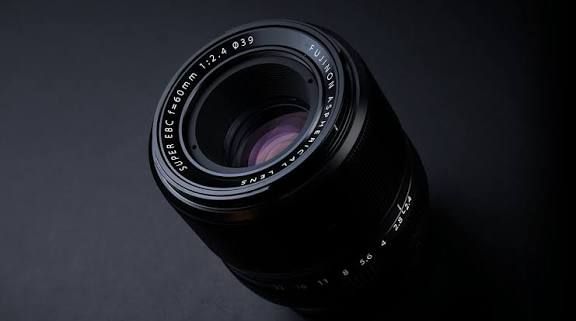
In March 2025 we went our separate ways. I have been without the XF60 for a few months now, but still think about it. Sometimes you do not fully appreciate all of something’s (or someone’s) quality until it has gone. Like people, no-one is perfect, and like people not all qualities, charm and influence can be measured in the the format of a technical specification. It is now 2025, and the XF60 is often forgotten. But should it be? It is a bit goofy, but it is unexpected good.

The history & technical detail.
The xf 60mm is one of the original, OG X series launch lenses (along with the 18mm F2 and the 35mm F1. 4)
It is ‘Made in Japan’, and feels like it is well put together. It has a 39mm filter thread, a minimum working distance of 26.7cm and weighs 215 grams.
The lens has a Macro ratio of 1:2 (0.5x magnification) which is technically half size macro, not full Macro).
Amazingly, the lens is still available brand new from Fujifilm at £599 which seems a touch pricey. Your local camera store will also be able to track this one down for you easily enough.
The lens is widely available on the used market for around £270 (for an ‘excellent copy’). Closer to £200 if you are less fussy, or are more if a risk taker.

The bad.
Let’s starts with the bad.
We all need different things from a lens, and different things will also annoy us in different ways. Search this lens up online and you will quickly see some of the negatives:
Frustratingly slow, noisy auto focus, no stabilisation, no weather sealing, unusual design (inner barrel extends out of the main lens structure).
All of these are true, and should definately considered. But, it is interesting that none of the criticisms of the lens are about image quality.

Some of the negatives may be very important to you. If your world of photography involves fast-moving subjects or wet/dusty environments then you need something else. But, if you have more time and more control in your environment, then I think the negatives are not deal-breakers. Perhaps it is a fair trade-off for some of that Fuji magic that these original lenses possess.
I will admit, that it is a bit freaky how the inner barrel purtrudes the main lens at times, but it does the job. I never really cared that much.

Strengths.
Sharpness, background rendering, versatility and punch. It is actually pretty compact too (especially compared to it’s big brother the XF80 macro.
Probably, the most important thing you want from a macro lense is sharpness. This lens is super sharp. You notice it in the real world, not just from lens chart tests. When you get your images on the screen at home you see it straight away. Wow. Fuji glass is famously sharp, but you really see it with this one. I think the smooth rendering of out-of-focus areas also complements the sharp areas.

The magic.
Fujifilm obviously spent a lot of time developing this lens ahead of the X-series launch. The lens has a wonderful balance of sharpness, punchy colours and smooth rendering that work equally well in macro and portrait work. It surprises you when you use it. It’s a strange thing to say, but it feels like the lens itself actually enjoys being used. It likes putting a smile on your face.
Not exactly a macro.
The fatal flaw of a macro photographer is the desire of more and more magnification. I loved what I got from the 0.5 macro, so my imagination was then drawn to the possibilities of more. I picked up a Laowa 60mm x2 manification lens, and whist I did get more magnification with the laowa, I did also lose some magic.

Don’t get me wrong, the Laowa is very good. But I obviously didn’t appreciate the rest of the XF60mm enough. The rendering, the colours, the auto focus, and punch. The ability to grab a portrait between macro shooting.
The versatility of this lens is a big strength. Compact and very, very good at both close up and portrait, means it gets you shooting. No changing lenses – can just stay on there. Take the kids for a mini hike in the woods (with all the bags, coats, drinks and snacks that comes with such an outing) and get a few pics of the flowers as well as some natural shots of the kids. No lens changes. No manual focus. Even set the darn camera to Jpegs only. You will get shots you like, I guarantee.
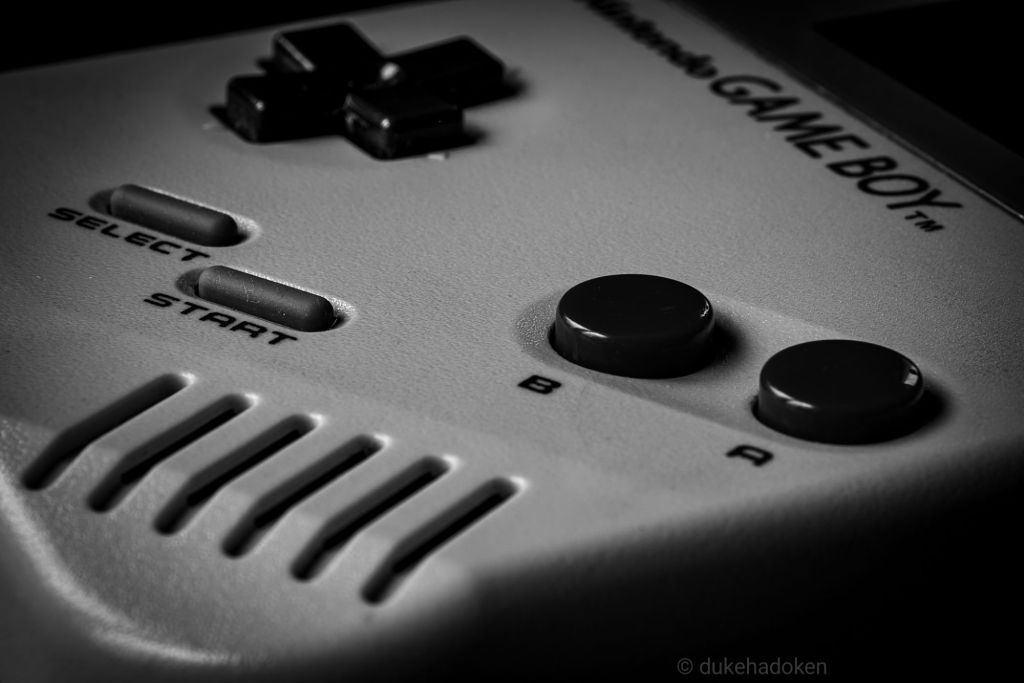
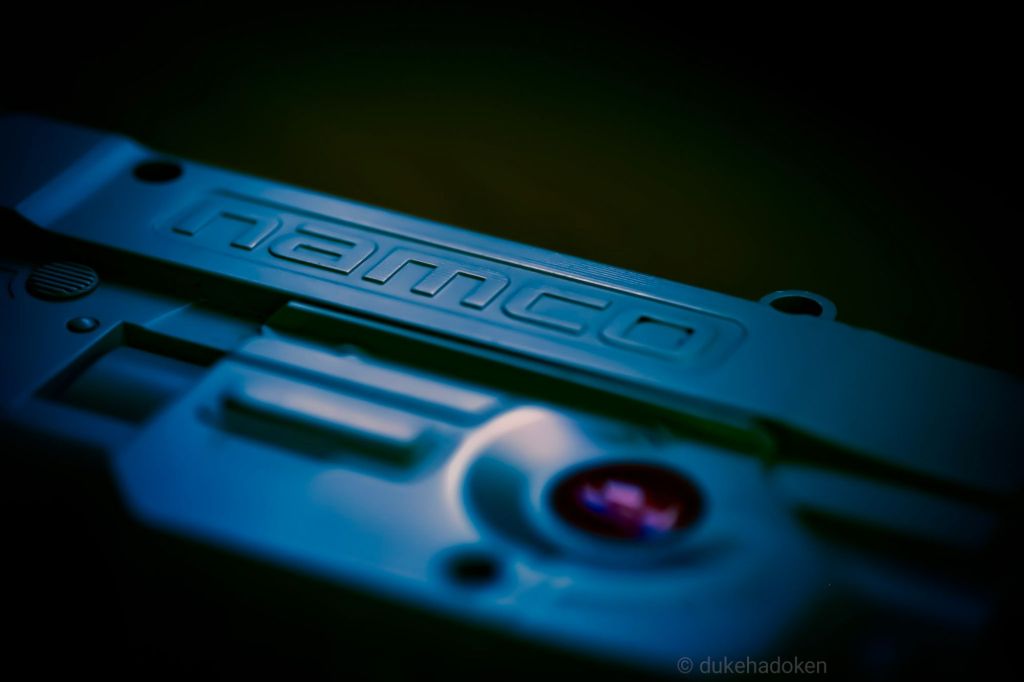
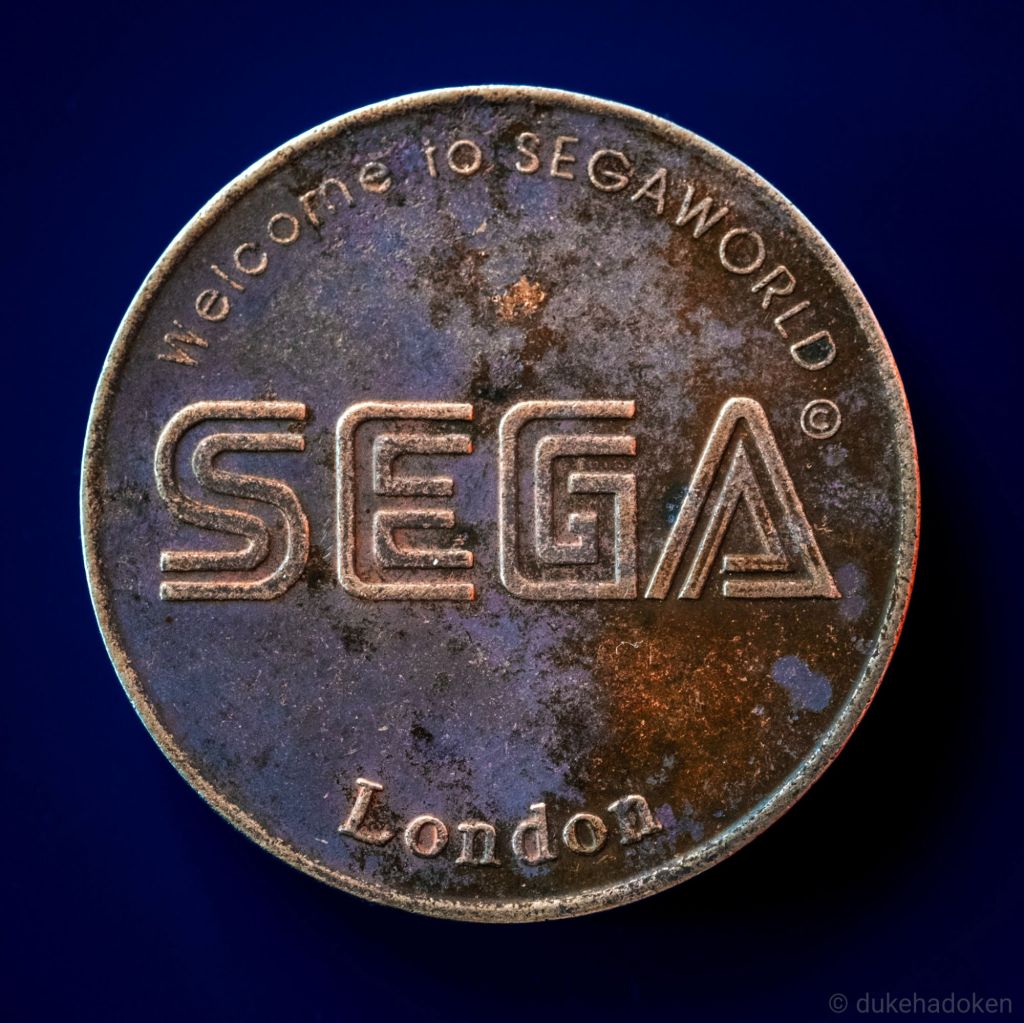
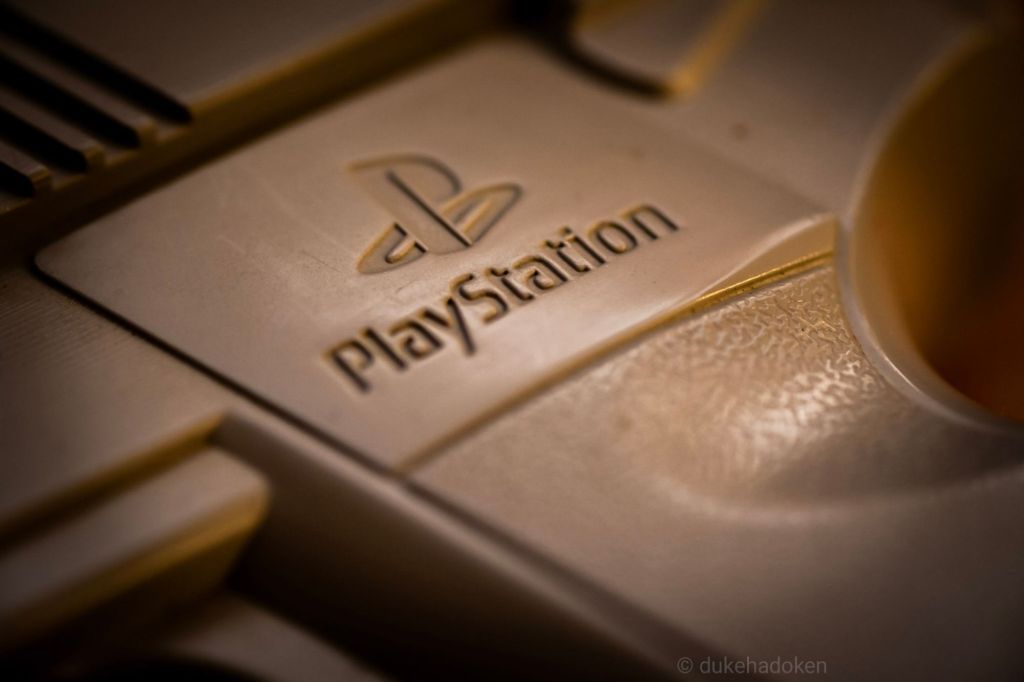
In the Studio I have been really impressed with the images from this lens. My studio work is generally video game themed. When I have photographed coins, tokens, circuit boards and consoles, I have love the output. The working distance is great, and looking back, I rarely needed a full 1:1 ratio.
Sometime we (meaning I) can be fixated on the ‘new and improved’ options. But in 100+ years of photography development, 10 years old is still the modern age.

In the grand scheme of things. This lens did 90% of what I needed from a macro, and had the added bonus of being a hidden gem of a portrait lens. For some reason (probably my fears of dust and dropping) I absolutely hate changing lenses. I shouldn’t, but I do. That fear no doubt means that I have missed shots in the past, when I resist changing for a split second – and then the moment has gone. This lens goes a long way in solving this issue. When I switched to the Laowa 60mm, I didn’t feel I wanted to use it for anything other than macro, even though it probably could have worked well as a manual general purpose lens. Maybe you aren’t as lazy as me, maybe you are.
For Video.
For Video… I honestly don’t know. The quirks of this lens may be amplified. I didn’t take 1 video with this lens in the 3 years I had it, so I won’t comment. One of my regrets however is that I didn’t do any slo-mo videos with it. I wanted to test it out with bees in-flight, but never did. Next time maybe.

Professional use.
If your professional work is fast paced, and you cannot afford to miss moments, then perhaps the auto focus, and noisiness of the lens may be too frustrating. If you working in a more controlled environment such as still life and product photography it could be worth exploring. Good for copy, but do consider that it does not quite magnify enough to scan 35mm without cropping in on the image in post-processing. I enjoyed using this lens most when there was no pressure on me to deliver anything. Passion projects and shooting for enjoyment. Maybe I would have felt different about it if it had of let me down on a job?

Buying guide.
Buying any lens presents it own set of challenges, let alone a lens that was released on 2012. So, some copies out there will be 13 years old at the time of writing.
Fujifilm still sell this lens new, at £599, (as will Amazon) and hopefully your local camera shop may be able to order. Buying new will ensure that you have a prestine lens with a warranty and customer support.
Personally, I have never bought a new Fujifilm lens. The used market is strong, so you may well be able to sell for a similar price if you don’t get on with it.
For this particular lens, the smart move may be to pick up an ‘excellent’ used lens from MPB, Wex or Park Cameras for around £260. It would come with some kind of warranty (6 months) which is a good middle ground for price Vs peace-of-mind.
https://www.mpb.com/en-uk/product/fujifilm-xf-60mm-f-2-4-r-macro
On ebay, you may find this lens closer to £200. But with Ebay, if the lens stops working after a month, it is unlikely to be covered. Sometimes it’s worth a risk for a good price. But this lens is a little older than the norm, so I might avoid ebay on this occasion.

So to conclude.
In preparation for this article I spent some time reviewing the images I had taken with the XF60mm, and I was surprised to find out that I used it a fair bit. More importantly, it did produce a good hit-rate in terms of ‘keepers’.
Now, I rarely work with moving subjects. I do chase the kids around with it, and I might have to contend with a flower swaying in the breeze. That’s it. Most of the time I am working with items on a table top, or I’m at capturing arcade machines at a location. It worked well in those areas. Really well.

If you must-have fast-but-silent auto focus, more magnification and weather sealing, then this little lens may not be able to fulfil your needs. But do you need that? Or do we always strive for what we feel we are missing?
All I know is that this lens does contain Fuji Magic. So, if you happen to stumble up on a decent copy of the XF60 somewhere in the wild, maybe pluck up the courage to introduce yourself, you might like each other.

Thanks for listening.
Let me know what you think? Is this lens a hidden gem?
Also, if you would like me to write about anything in particular in future posts, then add a comment below or send a message via the ‘contact’ page and I will see what I can do.
 Fuji Magic Blog
Leave a comment