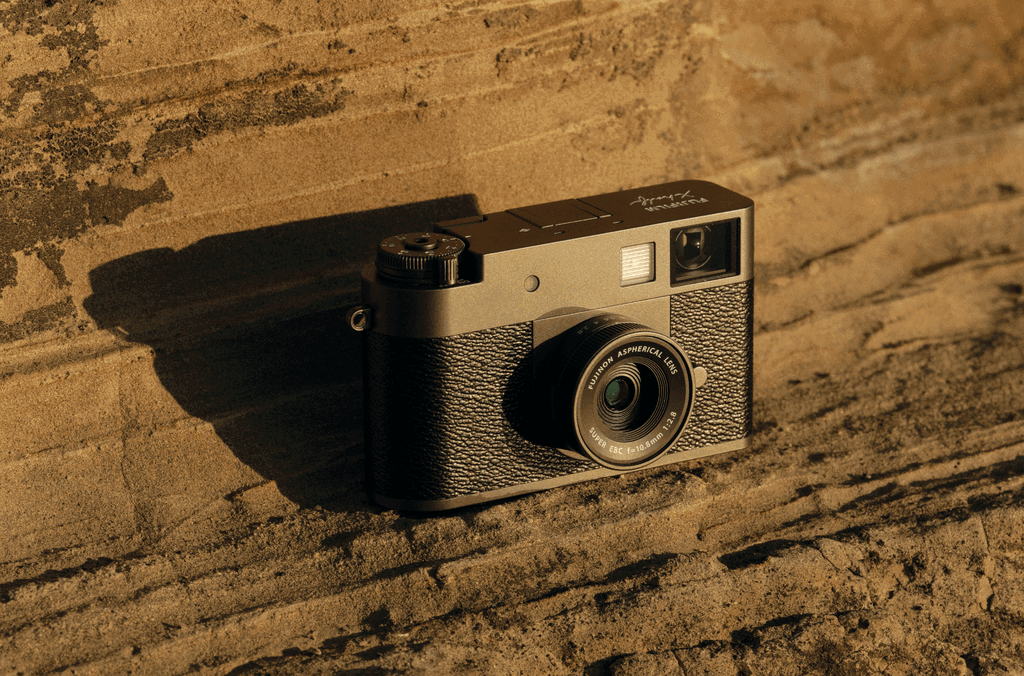
With the Fujifilm X‑Half recently dipping below the £500 mark (down from its original £699 launch price), I thought it would be fun to explore what else £500 can buy you in 2026 within the Fujifilm X‑Series ecosystem. Can you still find a body‑and‑lens combo that delivers genuine Fuji Magic?
This is a light‑hearted experiment, not a hit‑piece on the X‑Half — which looks like a fun little camera. I simply enjoy championing older Fuji gear and wanted to see what the used market offers today.
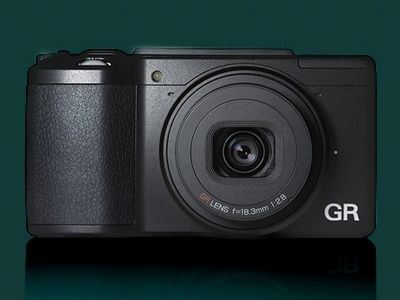
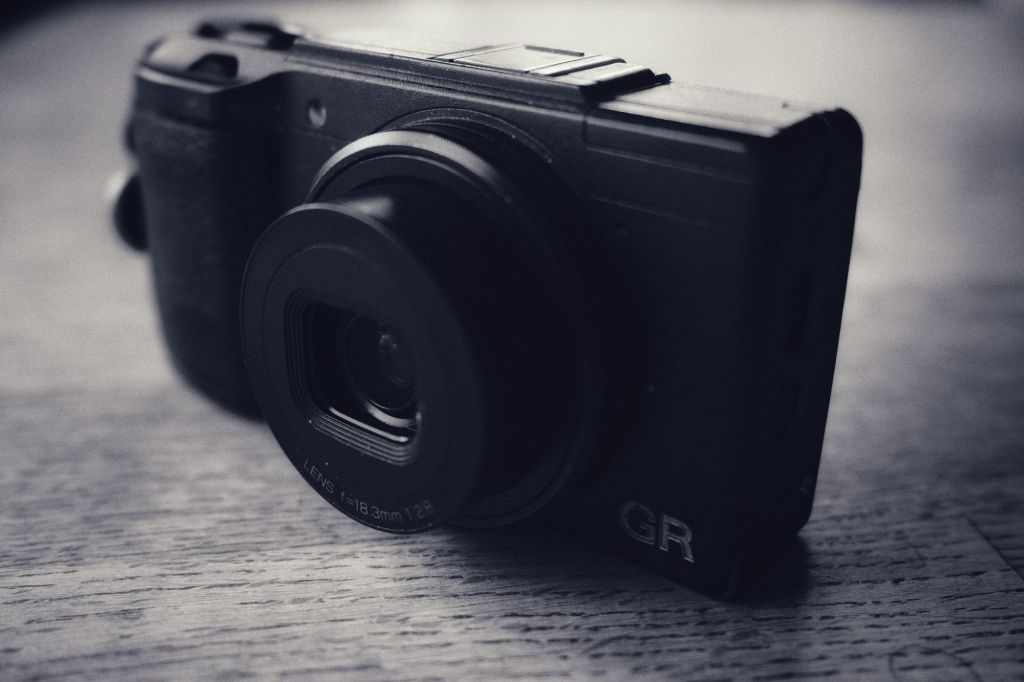
The Ricoh GRII (2015) is the earlier, and lesser known model, from Ricoh’s GR line of APS-C compact cameras. This is my honest 2026 take on the Ricoh GR II: five reasons I still love it, and five reasons it drives me absolutely mad.
A (very) brief history. The Ricoh GR camera series is a big deal. Right now, the GR3 (GRIII) and the GR4 (GRIV) are two of the most sought after premium compact cameras on the market. With its large APS-C sensor squeezed into a compact body, the Ricoh GRIII (AKA the ‘plastic fantastic’) is highly regarded in the street photography world for being a powerful and high-quality camera that will fit in the pocket of your jeans.
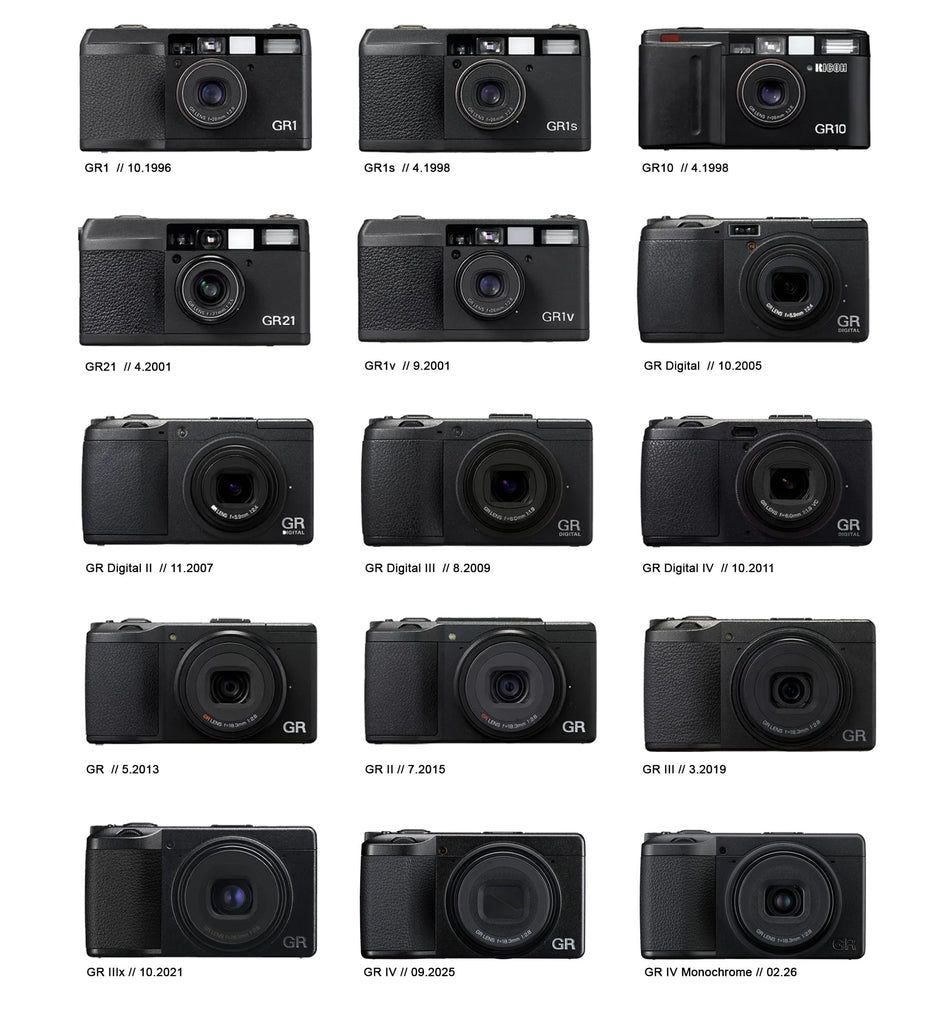
The GR Family History – The Ricoh GR Series
But what came before the GRiii/GRiv, and should it be still be considered in 2026? Going back in time, the GR series released the GRII in 2015, and the GR in 2013, (as well as confusingly also having a ‘GR Digital’ range 1-4 before that between 2005-2011 – however the ‘GR digital’ line did not feature APS-C sized sensors). Prior to the digital cameras, there was a line of excellent film GR cameras. At a glance, the whole GR series have the same signature ‘GR’ form factor.
The signature GR form factor
Enough of this (poor) history lesson. This post will focus on the mighty Ricoh GRII from 2015, which I have been carrying around for the last year or so. I really love this camera, but I also hate it at times. It is without doubt a very special camera with some magical features. It does however have some aspects which can be very frustrating.
Fun in the rain – Ricoh GRII
Why did I buy the Ricoh GRII? At most events (music, sports, conventions), venues will often allow you to bring along a small, fixed lens camera. (This is always at the descretion/mercy of the security staff on the day). For most people in 2026 this camera is almost always their phone and is never an issue. However, as I like to always carry a camera with me in life, I will foolishly attempt to squeeze a Fujifilm X100 series camera into any interesting events I might go to. 9 times out-of-10 there are no issues at all. BUT… when staff do object to my camera, it is a real pain in the bum. It means leaving the camera with the coats and bags, and paying for that privilege (whilst accepting all risk if it is lost/stolen/broken).
Live event photography, low light. Ricoh GRII
The last time this happened I decided I needed something different, something uber compact. It also needed to be more caperble than a phone (which is a tough ask these days). Enter the Ricoh GRII.
Impromptu portrait of writer Garth Merenghi, on the Ricoh GRII, 2026
Ricoh GRII alternatives: other APS-Ccompact camera options. When it comes to compact cameras with large sensors there really isn’t that much choice. There is the Fujifilm X100 range (too big), the GRiii/GRiv (too expensive), the Nikon Coolpix A (too rare), and the Fujifilm X70 (too expensive and too rare!) On paper the GRII was in the ‘just right’ category. In good condition the GRII is still not cheap. But, in ‘battered-but-working condition’ it was the cheap-enough to be the solution for me.
APS‑C Compact Camera Comparison (2026)
A quick look at how the Ricoh GR II stacks up against other pocket‑sized APS‑C cameras in 2026.
What does Indiana Jones take with him when he goes out adventuring?
He takes his hat, his whip and maybe a map (if he’s feeling organised). He pairs these essential items with his grit and determination to get the job done. He backs himself. Any more kit would slow him down.
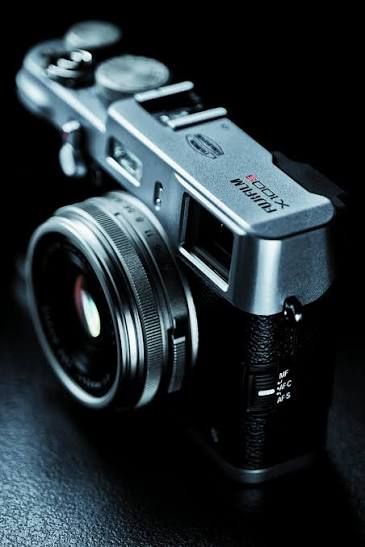
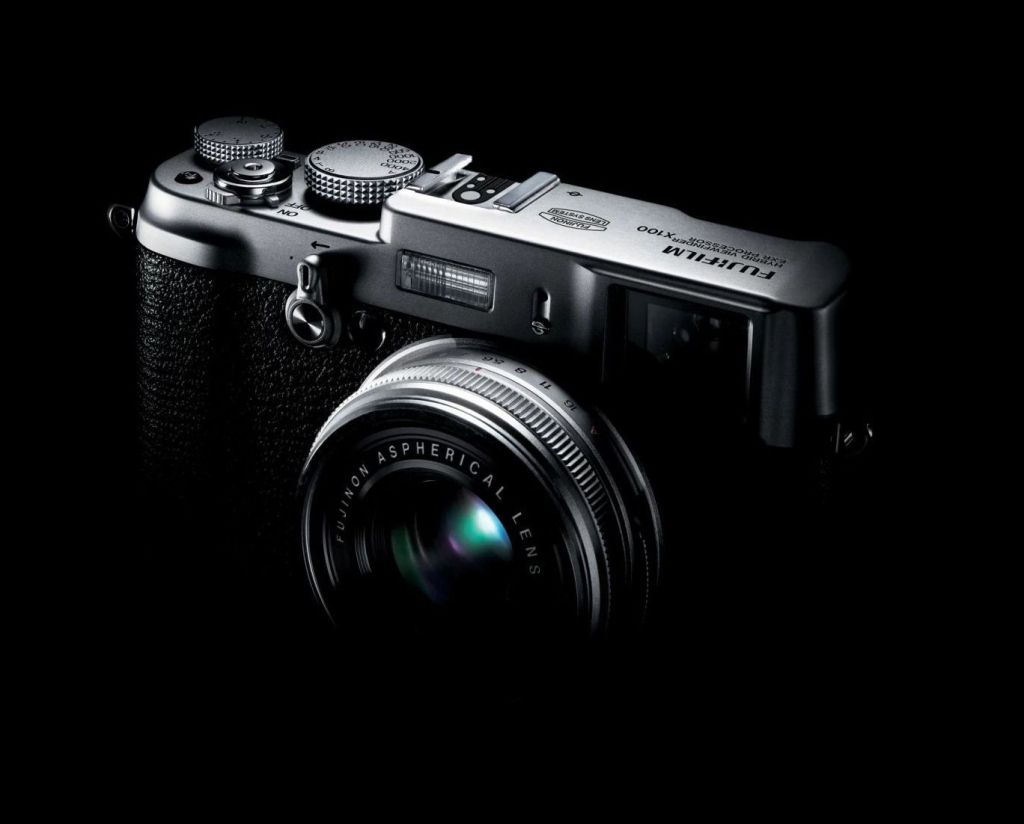
The X100s, is the Dr Henry Jones Jr of the camera world. It is everything you need to adventure, but nothing more. In a tight spot, it will get the job done as long as you are able to think on your feet.
No camera ‘does-it-all’ . Smartphones are definately getting close though, on paper at least. AI is now integrated in the process, which definately muddies the water on to what is being captured. The X100S is an honest camera. The 35mm equivalent field of view of the can get you what you need, if you can quickly adjust to your surroundings.
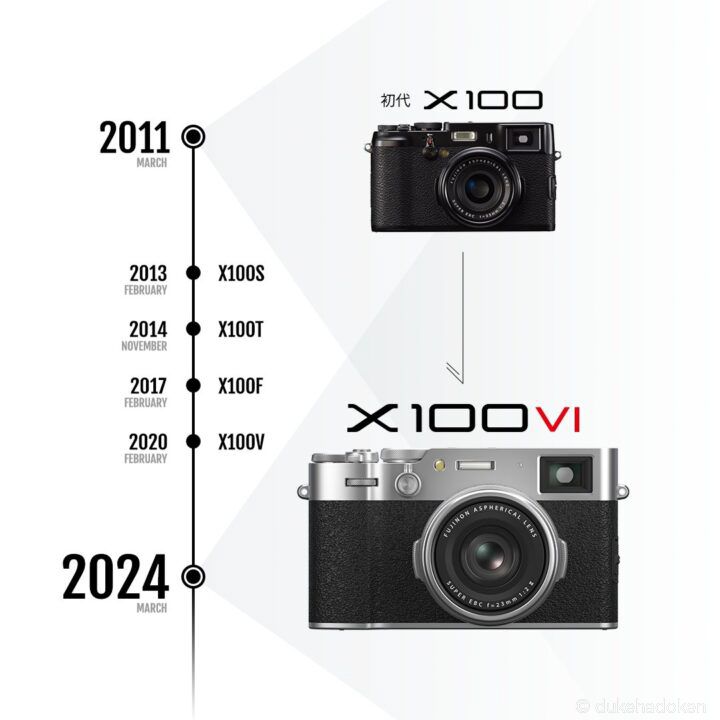
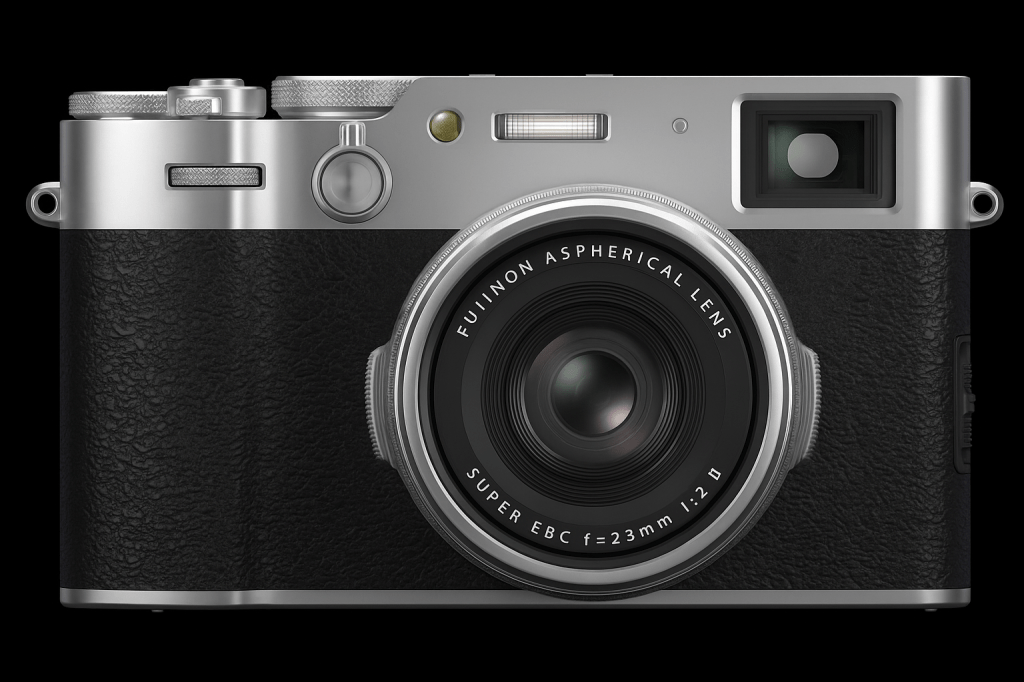
The lens is sharp. The lens is fast (F2). The camera is small. It has a flash and ND filter built in. These raw ingredients haven’t changed from the original X100 (2011), to the current X100VI (2024).
I would argue that the biggest leap in progress in the X100 series, was from the X100 to the X100S.
It went from being premium, but a bit frustrating – to a well rounded camera that you could now take everywhere with confidence. After the X100S, each iteration just added one or two small improvements. The X100vi now has all the bells and whistles, but the improvements were steadily built on a stable foundation (see my essential guide to the X100 series).
That’s obviously just my opinion, and it should stressed that I have no idea what I am taking about.
My X100S I bought my X100s dirt cheap. It was a bit rough around the edges, and had a strong whiff of tabbaco smoke, which took a long time to fade. Strangely I didn’t mind. It felt like this camera had a life before me. I often wondered who the previous owner was. I imagined the kind of photos that might have been taken before. I hadn’t ever been curious about a second hand item before.
Because the camera was a little roughed up (and because I got it for very little), I was not precious about using it. I would take it out in the rain, trusting that my jacket pocket would offer enough protection in-between shots. It owed me very little. I have always struggled to use new, expensive or immaculate kit. I am so much more comfortable if my camera has already been in a few fights.
Is it’s still good in 2026? Why wouldn’t it be? If it was award-winning in 2013, surely it should still be good now?
It will perform just as it did in 2013. Check out the reviews from the time. It still performs well.
Image quality-wise, it is super. Even after 13 years, it will still be one of the smallest cameras to house an APS-C sensor. This gives you some good low light performance, and detail. The images, especially of people, really pop.
But let’s quickly discuss the obvious potential issues (compared a new camera).
It’s hard for any lens at the 35mm equivalent range to grab the headlines. This focal length is how the human eye sees the world. It cannot ‘wow’ the crowd with any optical party tricks: No super-wide special effects, and no telephoto wizardry in the form of compression and giant bokeh. This 23mm isn’t even small, like the pancake F2.8 version that was released in 2025, so it can’t show-off in that department either.
But this particular 23mm lens works hard to do a little bit of everything, and to a decent level too. In footballing terms, it is the equivilant of a ‘midfield enforcer’. It can defend and attack. It is ‘no-nonsense’ and it will do whatever you tell it to do.
When you need a portrait, it can get you one. When you are in a tight space, it will work, and when you need a landscape it will get you the shot. Heck, if you wanted to chance-your-arm at some astro photography…you could give it a darn good go.
In the early days, the X100 series became known as the camera that pro photographers used when they weren’t working. The camera was fun to use, it felt great in the hands, and produced beautiful images without any editing. It didn’t feel like work.
Example image in low light conditions (Fujifilm X100vi)
Fujifilm refined the X100 design with subtle tweaks over the generations, but made efforts to keep the essence intact. The X100 series was well known in the photography world, but still remained relatively low-key in the public domain, even after 4 generations. That all changed in 2022 when the X100V model surged in popularity following viral trends on social media. The X100V became the most sought after camera ever, with prices on the used market soaring above the RRP. Things have calmed down since this peak, but interest in all X100 cameras is now high.
Now, let’s cut to the chase. What are the differences between the models, and how much should you pay for one? Let me tell you what I know…
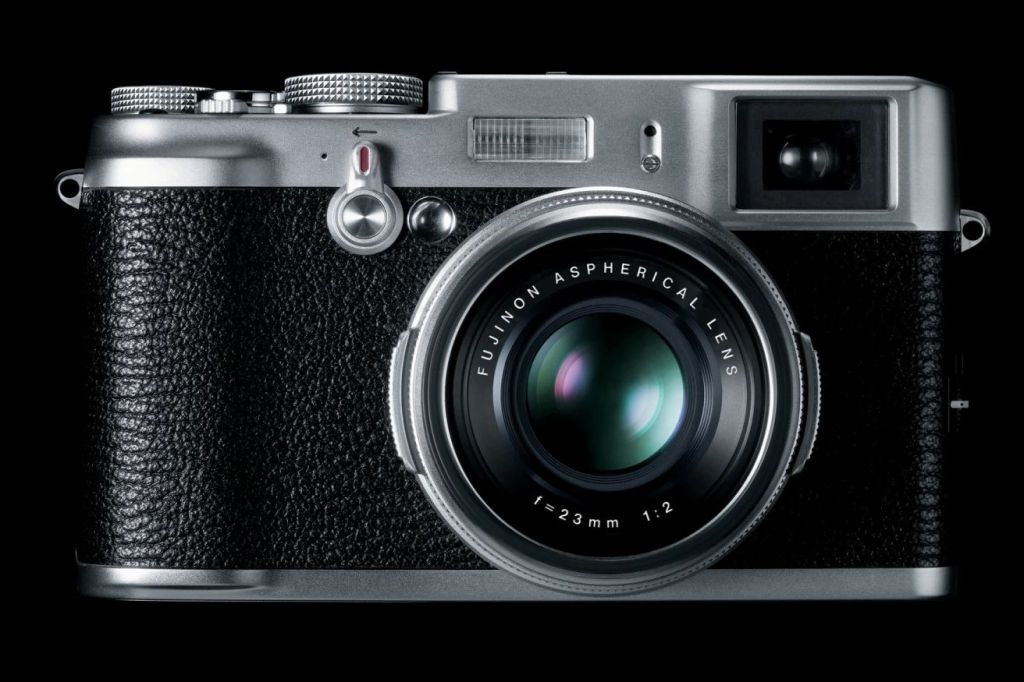
The x100 series now has 6 versions since 2011. They all look very, very similar to each other. (The designer of the series actually said that the intention was for all the versions to look the same from 4 feet away).
The X100 from 2011
The 6th iteration, the X100vi from 2015
Unfortunately, a recent TikTok trend has made the recent models the must-have hipster item, which has then subsequently inflated the prices all the models.
Not many camera lenses ever achieve a ‘classic’ status, espacially when they were made in the 21st Century. Classic or character lenses tends to mean a vintage lens that had particular charm or optical trait. Lenses like the Helios 44-2 and the Leitz Summar 50mm F2, which can be identified just by glancing at an image taken by it. It makes sense that if Fujifim were trying to develop a whole new camera system that celebrated the look of vintage film, then they should also capture some of the character from vintage lenses in their new glass? The XF35mm was developed to fulfill this brief, and boy does it deliver.
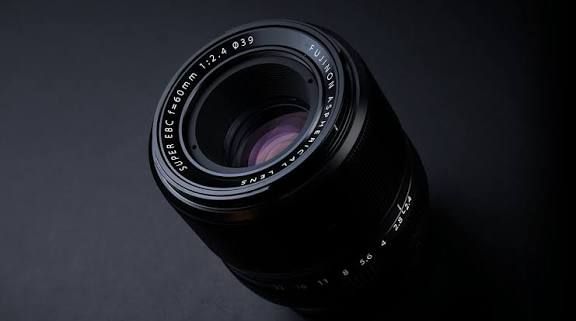
In March 2025 we went our separate ways. I have been without the XF60 for a few months now, but still think about it. Sometimes you do not fully appreciate all of something’s (or someone’s) quality until it has gone. Like people, no-one is perfect, and like people not all qualities, charm and influence can be measured in the the format of a technical specification. It is now 2025, and the XF60 is often forgotten. But should it be? It is a bit goofy, but it is unexpected good.
It is pretty hard to find recent reviews for some of the older kit in the Fujifim (X-Series range). It makes sense from a marketing perspective that we are directed to the newest releases. But, we are missing out on some Fuji Magic if we don’t explore the whole back catalogue, arent we?
With this blog, you will find longer term reviews and experiences for Fujifilm cameras and lenses. Some stuff will be old, some stuff will be new.
Fujifilm launched the X Series back in 2011, with some magical cameras, lenses and sensors. I will do my best to explore new and old kit to see how well it holds up in 2025 and beyond.
Obviously, they type of photography I do, and the way I use my kit will be different to everyone else. Maybe it will still be helpful to someone.
Stay tuned for thought, reviews, comparisons and buying guides, as well as example photographs. I may even create an audio version of some articles for listening on-the-go. Keep an ear out for podcasts.
















 Fuji Magic Blog